7 Hours
Agra Tour Packages — Taj Mahal, Agra Fort & Beyond
Looking for Agra tour packages that cover the best this city has to offer?
You’re in the right place.
History of Agra
Agra, located in Uttar Pradesh, India, boasts a rich history that dates back to ancient times. Originally known as “Agraban,” the city is referenced in the Mahabharata and has been a significant settlement since as early as 1500 BC. However, Agra truly flourished during the Mughal era in the 16th century. Under Emperor Akbar, who made Agra his capital in 1556, the city became a center of cultural and architectural development. The Agra Fort, a UNESCO World Heritage Site, was constructed during this period, showcasing magnificent Mughal architecture with its red sandstone walls and intricate designs. The pinnacle of Agra’s historical significance came during the reign of Shah Jahan, who commissioned the Taj Mahal in memory of his wife, Mumtaz Mahal. Completed in 1653, this iconic monument is celebrated for its stunning beauty and craftsmanship, attracting millions of visitors each year and earning its place as one of the Seven Wonders of the World.
Today, Agra remains a vibrant cultural hub, drawing travelers from around the globe to explore its rich heritage. In addition to the Taj Mahal and Agra Fort, Fatehpur Sikri, another UNESCO World Heritage Site, exemplifies the architectural brilliance of the Mughal era. The city is also renowned for its traditional crafts, such as marble inlay work and leather goods, which continue to thrive in local markets. Agra’s bustling bazaars offer a unique shopping experience, while its culinary delights, including local sweets like petha and Mughlai dishes, reflect the city’s rich cultural tapestry. Overall, Agra is not just a historical destination; it embodies the essence of India’s glorious past, making it a must-visit for anyone exploring the country.
Top Attractions in Agra
Most visitors come to Agra for the Taj Mahal — and rightly so. But the city has far more to offer than its most famous monument. Having spent over 30 years taking travellers through Agra’s lanes and landmarks, we can tell you that most people leave wishing they had stayed longer.
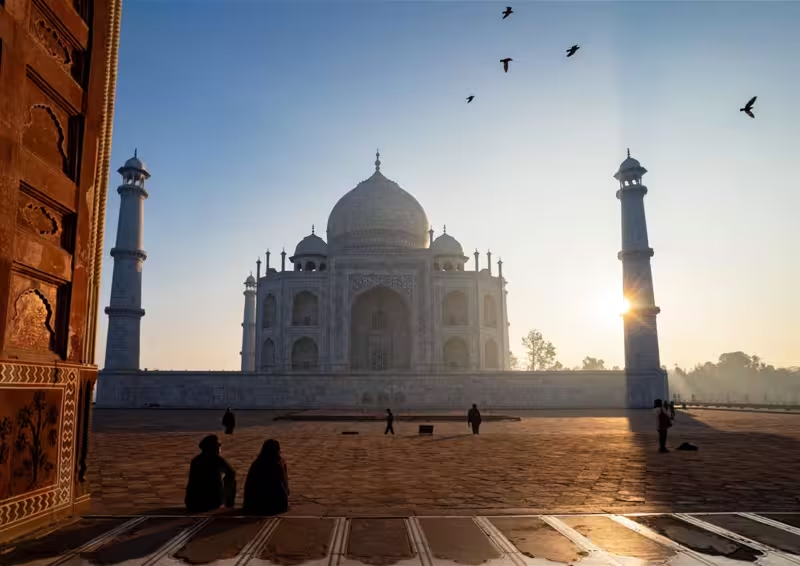
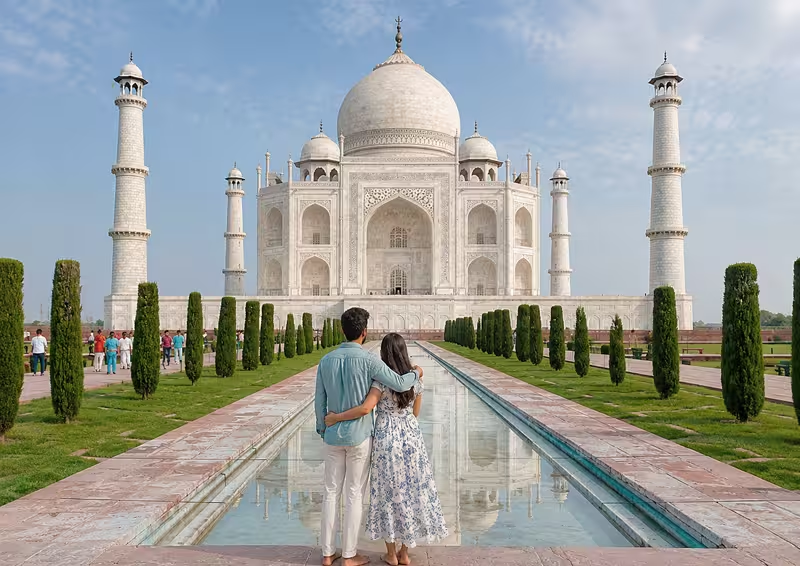
The Taj Mahal at sunrise is something that stays with you long after you’ve left. The light hits the white marble differently in those early hours — softer, almost golden — and the crowds haven’t arrived yet. If you do nothing else in Agra, do this. The Agra Fort, just 2.5 km away, is equally impressive and often overlooked by day-trippers in a rush. Shah Jahan was actually imprisoned here in his final years, with a distant view of the Taj Mahal — a detail that makes the fort far more moving once you know it.
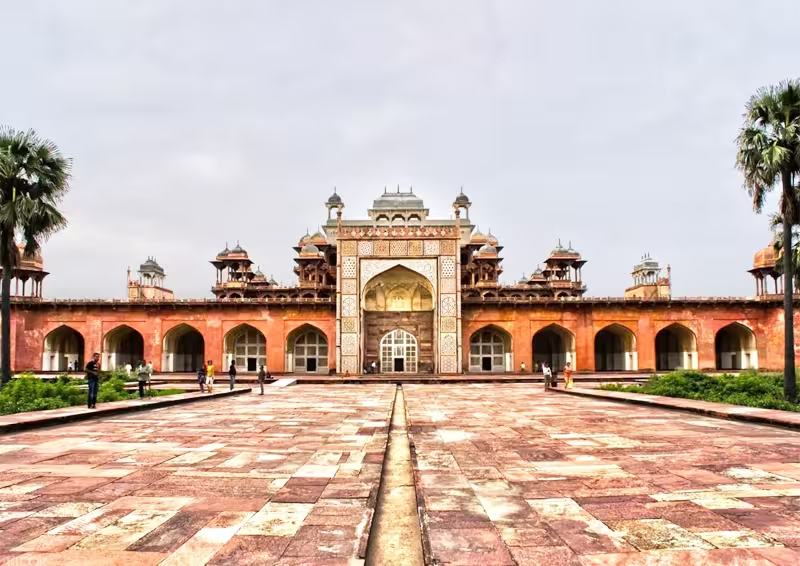
A short drive out of the city takes you to Fatehpur Sikri, a ghost city built and abandoned by Emperor Akbar within a single generation. It’s eerily well-preserved and far less crowded than the main monuments. For those who want the best view of the Taj Mahal without the entrance queue, Mehtab Bagh — a garden directly across the Yamuna river — offers a stunning sunset perspective that most tourists miss entirely. And if you’re drawn to intricate craftsmanship, the Itimad-ud-Daulah (often called the Baby Taj) is a quieter, more intimate marble tomb that predates the Taj Mahal and shows where the design ideas first took shape.
All of these landmarks are covered across our Agra tour packages, with a local expert guiding you through every site.
Best Time to Visit Agra
October to March is comfortably the best window to visit. The days are clear and cool, mornings can be crisp, and the Taj Mahal on a winter morning with light fog over the Yamuna is genuinely one of the most beautiful sights in India. This is also peak season, so if you’re planning to visit between December and February, book your tour and accommodation a few weeks in advance.
April to June is harsh — temperatures regularly cross 42°C and outdoor sightseeing by midday becomes genuinely uncomfortable. The monsoon months (July to September) cool things down but bring humidity and occasional heavy rain. That said, the Taj Mahal gardens turn lush green during monsoon and visitor numbers drop significantly, which some travellers actually prefer.
If you’re visiting in winter, carry a light jacket for early morning monument visits — it gets colder than most international visitors expect.
Our Agra tour packages run year-round and are adjusted seasonally to make the most of whatever time you’re visiting.
Agra Tour Packages — How to Reach & Get Started
Agra sits about 230 km south of Delhi, and getting here is straightforward whichever way you choose.
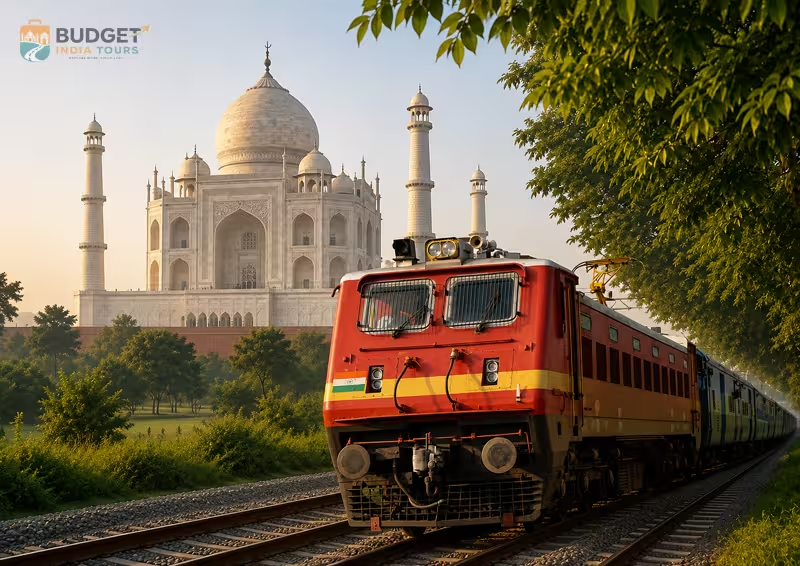
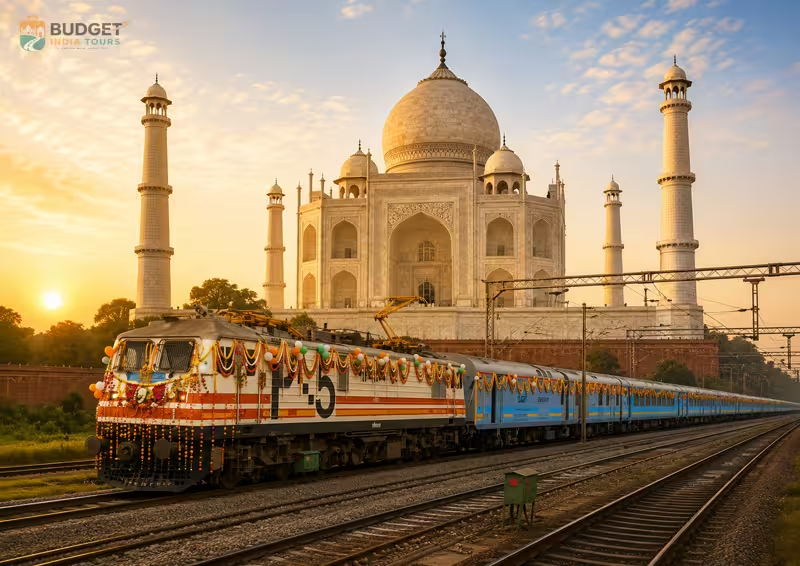
The quickest option is by train. The Gatimaan Express from Hazrat Nizamuddin station in Delhi reaches Agra in under two hours and is comfortable and reliable. The Shatabdi Express takes around 2.5 hours and runs daily. Both are popular with international travellers doing a same day Agra trip from Delhi. If you prefer flexibility and a door-to-door experience, travelling by car on the Yamuna Expressway takes 3 to 4 hours depending on traffic and allows you to stop at Fatehpur Sikri along the way — something trains obviously can’t offer.
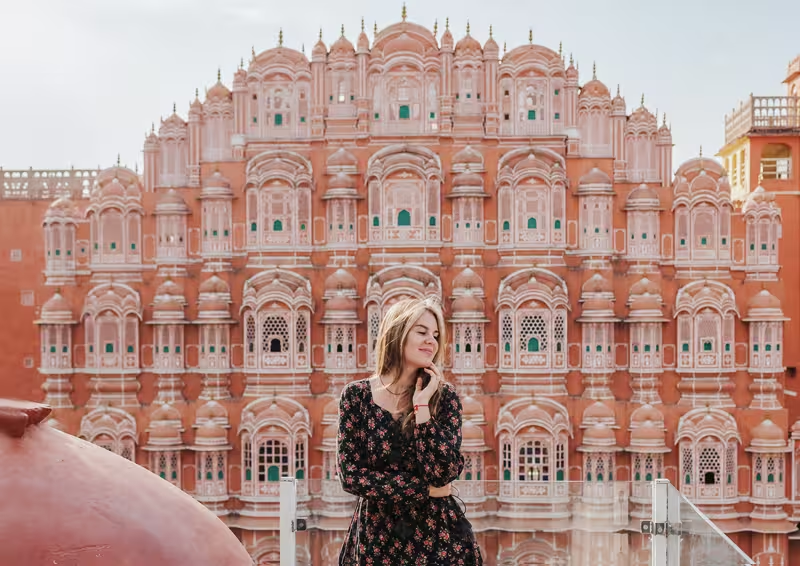
Agra also has a domestic airport with limited connections. Most international visitors fly into Delhi and make their way to Agra from there, often as part of a Golden Triangle tour covering Delhi, Agra, and Jaipur.
We arrange private car transfers from Delhi to Agra as part of all our tour packages, or as a standalone service if you just need a reliable, comfortable ride with a professional driver who knows the road well.
Browse our Agra tour packages below — from same-day trips to multi-day itineraries covering the full Golden Triangle route.