A Walk Through Agra's Living History

Tour Overview
Experience a different side of Agra on this Agra Heritage Walking Tour, designed for travelers who want to explore the city’s local culture, historic streets, markets, and lesser-known places beyond the Taj Mahal. Begin with a convenient hotel pickup before heading into the heart of Agra, where everyday life and centuries of Mughal heritage come together.
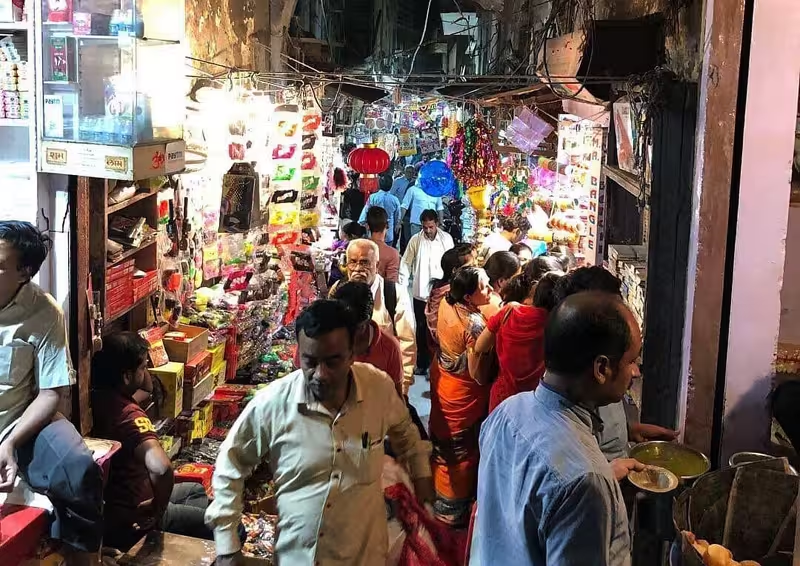
Visit Jama Masjid, one of Agra’s important historic mosques, and explore the lively streets around Agra Fort Railway Station. Stop at Chimman Lal Poori Wala to experience a traditional local food stop, then continue through a busy wholesale market to see how local traders and shopkeepers go about their daily business.
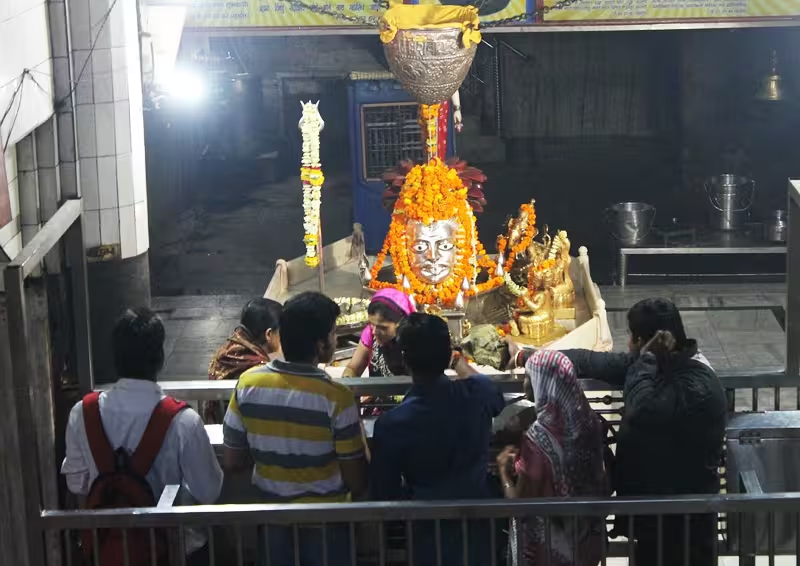
The walk also includes Mankameshwar Mandir, an important Shiva temple, followed by the colorful Rawatpara Spice Market, where you can see local spices, chilies, and other traditional products. A traditional cycle rickshaw ride adds another local touch as you make your way toward the Yamuna River.
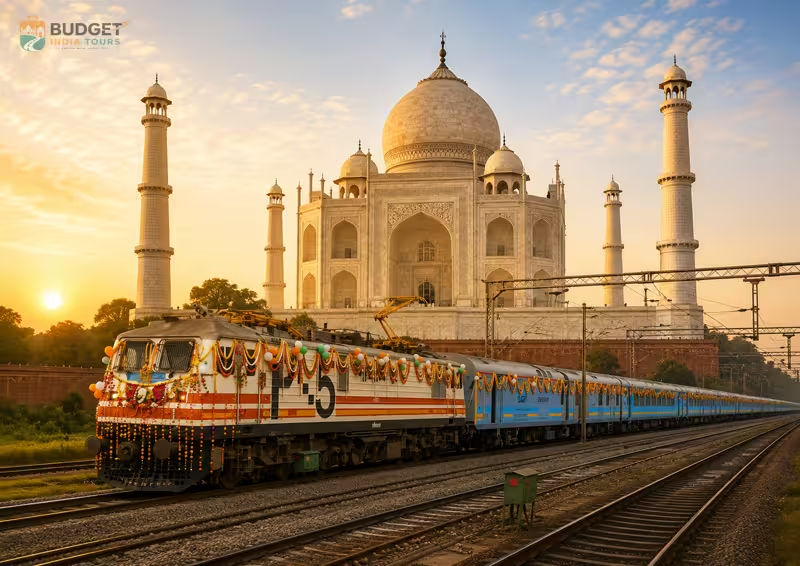
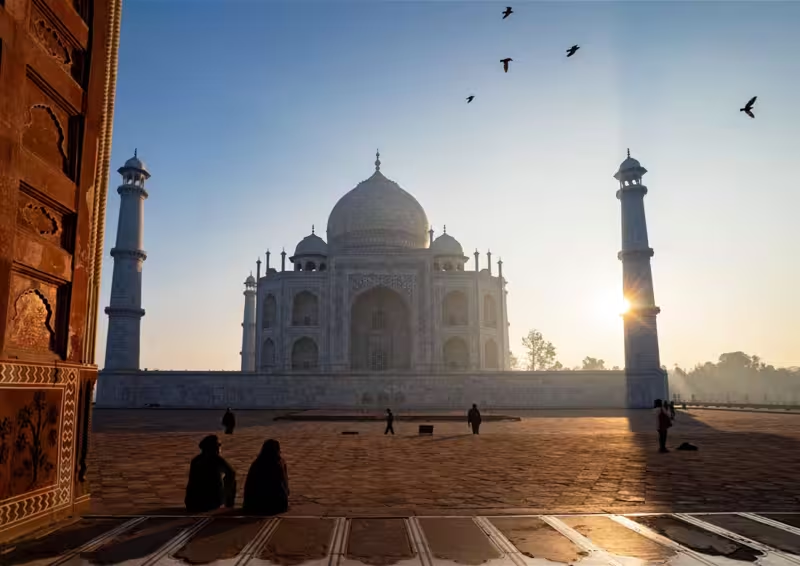
End your Agra cultural walking tour with a peaceful view of the Taj Mahal from the Yamuna River side. Away from the main tourist crowds, this experience offers a closer look at Agra’s heritage, local traditions, markets, and everyday life.
Tour Highlights
- Explore Agra’s Local Heritage: Walk through historic neighborhoods and experience the culture and everyday life of the city beyond the main tourist attractions.
- Visit Jama Masjid: Discover one of Agra’s historic mosques and learn about the city’s Mughal-era heritage.
- Experience Local Food and Markets: Stop at Chimman Lal Poori Wala and explore Agra’s traditional wholesale markets to see local commerce in action.
- Visit Mankameshwar Mandir: Experience the peaceful atmosphere of this historic Shiva temple and learn about local religious traditions.
- Explore Rawatpara Spice Market: Walk through a busy local market filled with spices, chilies, pickles, and other traditional products.
- Enjoy a Cycle Rickshaw Ride: Travel through Agra’s busy streets by traditional cycle rickshaw for a more local experience.
- See the Taj Mahal from the Yamuna River: Finish the tour with a quieter view of the Taj Mahal from the river side, away from the main entrance crowds.
Tour Itinerary:
Your Agra Heritage Walking Tour begins with a convenient pickup from your hotel in Agra. Meet your local tour team and travel comfortably to the starting point of the walking tour, where you’ll begin exploring Agra’s historic streets, local markets, and cultural landmarks.
Begin your Agra Heritage Walking Tour near the Agra Fort Army Gate, a historic area close to the famous Agra Fort. From here, walk toward Ambedkar Park, a peaceful local space associated with Dr. B.R. Ambedkar. This first part of the walk offers a chance to see a quieter side of Agra and get a feel for the city’s local surroundings before continuing to its historic streets and markets.
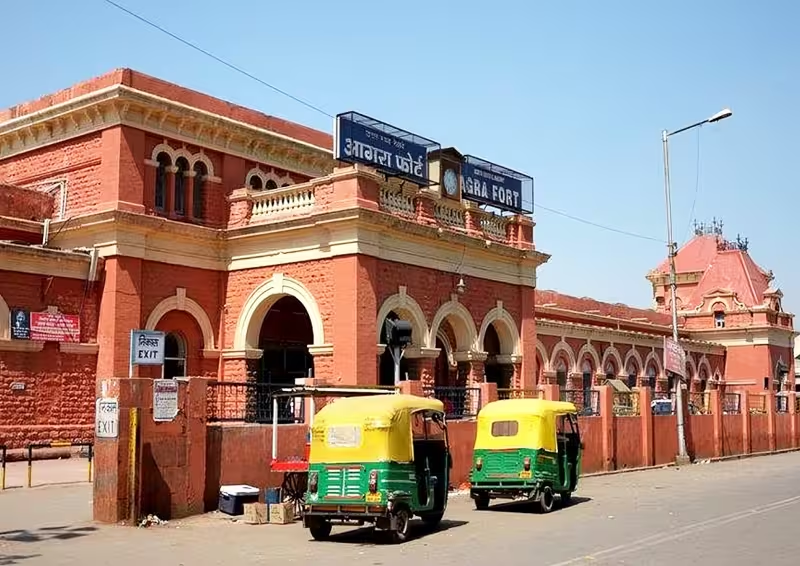
Continue your Agra Heritage Walking Tour to Agra Fort Railway Station, a historic railway station that reflects Agra’s colonial-era past and remains part of the city’s busy daily life. Take a moment to observe its historic architecture, railway activity, and the local scene around the station as your guide shares more about its role in Agra’s history and transportation.
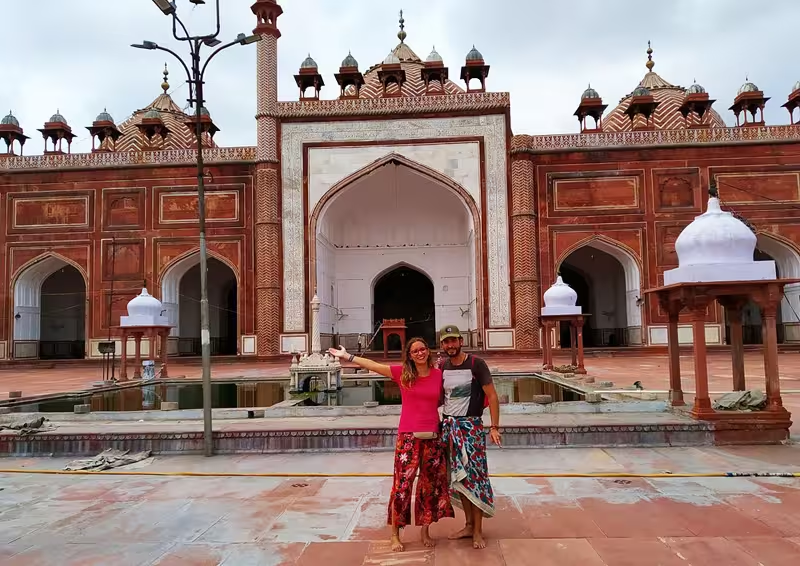
Continue your Agra Heritage Walking Tour to Jama Masjid, one of Agra’s most important historic mosques. Built in 1648 during the reign of Mughal Emperor Shah Jahan, the mosque was commissioned by his daughter, Jahanara Begum. Its red sandstone and marble details reflect the distinctive Mughal architecture found throughout Agra.
Take time to admire the mosque’s historic courtyard, decorative details, and traditional design while learning about Agra’s Islamic heritage and the important role the Mughal period played in shaping the city’s architecture and culture.
For more information about Agra’s history, heritage sites, and places to visit, explore our Agra Travel Guide.
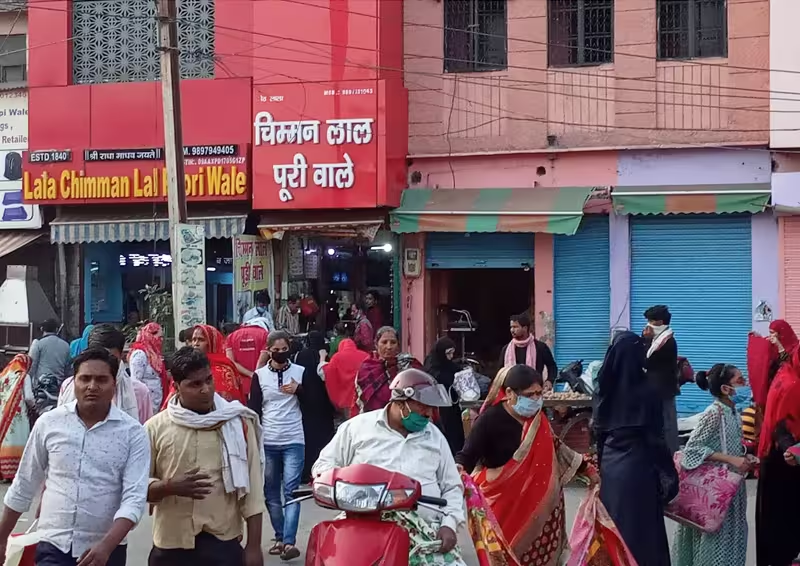
Continue your Agra Heritage Walking Tour with a stop at Chimman Lal Poori Wala, a well-known local food spot in Agra. Take a glimpse into traditional food preparation and try some of the area’s popular sweets and local flavors. It is a simple but authentic way to experience Agra’s everyday food culture while exploring the historic streets of the city.
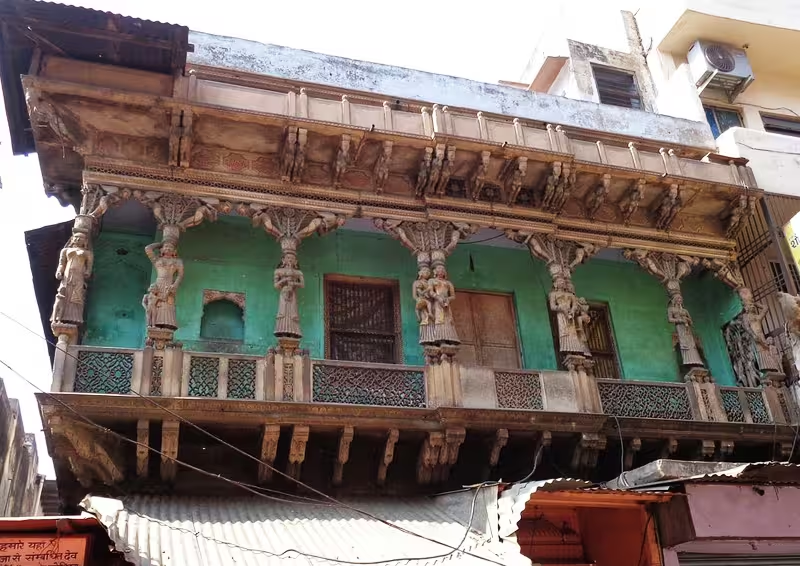
Continue your Agra Heritage Walking Tour through a lively wholesale market and experience the everyday rhythm of local trade. Watch shopkeepers, vendors, and customers go about their daily business as your guide explains how traditional markets operate and their importance to Agra’s local economy. This walk offers an authentic look at Agra’s local markets and everyday culture, away from the city’s main tourist attractions.
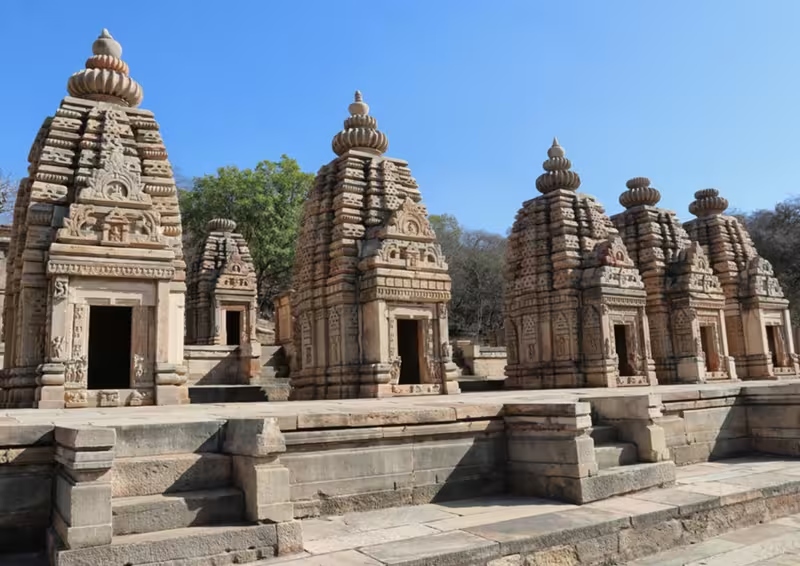
Continue your Agra Heritage Walking Tour to Mankameshwar Mandir, a historic Hindu temple dedicated to Lord Shiva. As you walk toward the temple, you may see monkeys and local residents going about their daily routines. If the temple is open to visitors, you can step inside and quietly observe the prayer rituals and devotional atmosphere.
The visit offers a glimpse into Agra’s local religious traditions and living culture, adding a spiritual dimension to your heritage walk beyond the city’s famous Mughal monuments.
Continue your Agra Heritage Walking Tour through Rawatpara Spice Market, one of the lively market areas in the historic heart of Agra. Walk past shops filled with red chilies, colorful spices, pickles, and other local ingredients while taking in the sights and aromas of everyday market life.
Your guide will help you understand the role of spices in Indian food and local culture, while you get a closer look at how traders and shoppers go about their daily business. This market visit adds an authentic local experience to your Agra cultural tour, away from the city’s main monuments.
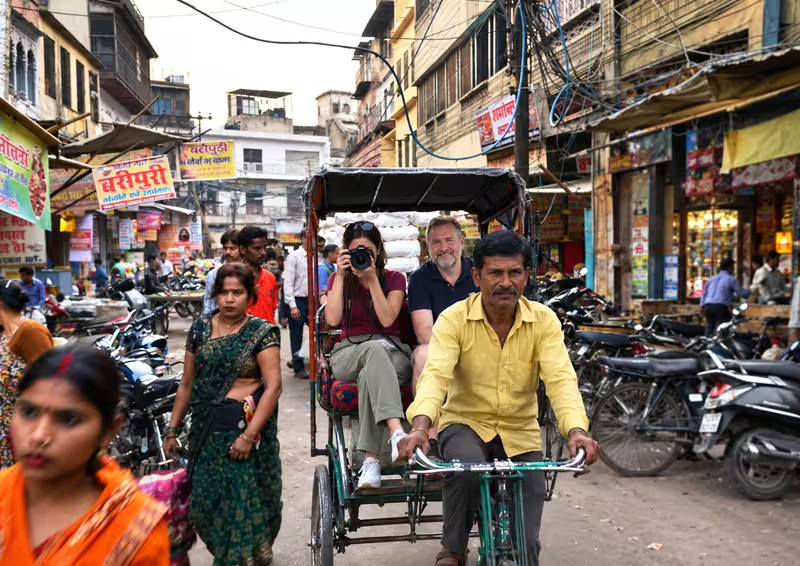
Hop on a traditional cycle rickshaw and ride through Agra’s lively streets and historic neighborhoods. This relaxed local experience gives you a closer look at everyday life, busy markets, and the character of the old city from a different perspective.
As you travel, take in the sights and sounds of Agra while your local guide shares insights into the area’s history, culture, and daily life. The cycle rickshaw ride is a simple but memorable part of this Agra Heritage Walking Tour.
End your Agra Heritage Walking Tour with a peaceful view of the Taj Mahal from the banks of the Yamuna River. This quieter viewpoint offers a different perspective of Agra’s most famous monument, especially as the evening light changes the look of its white marble.
Take a moment to enjoy the riverfront surroundings and capture photos of the Taj Mahal away from the main tourist entrance. If you would also like to experience the monument at sunrise, our Taj Mahal Sunrise Tour from Delhi offers an early visit inside the Taj Mahal complex before the day gets busier.
After the sunset view of the Taj Mahal, you will be driven back to your hotel in Agra. This marks the end of your Agra Heritage Walking Tour, combining historic landmarks, local markets, religious heritage, traditional food, and everyday city life.
Tour Includes
- Hotel, airport, or railway station pick-up and drop-off
- Guided heritage walk with a professional and experienced local guide
- Traditional cycle rickshaw ride through Agra’s historic streets
- ottled drinking water during the tour
- All applicable government taxes, including GST
Tour Excludes
- Souvenir photos or photography services
- Meals and drinks, unless specified
- Personal expenses and shopping
- Optional activities and additional services