Discover Agra Beyond the Taj Mahal
Tour Overview
An Agra local sightseeing tour is about more than simply visiting the Taj Mahal and Agra Fort. The time of day, the places you visit, and the stories you hear along the way can make a big difference to your experience of the city.
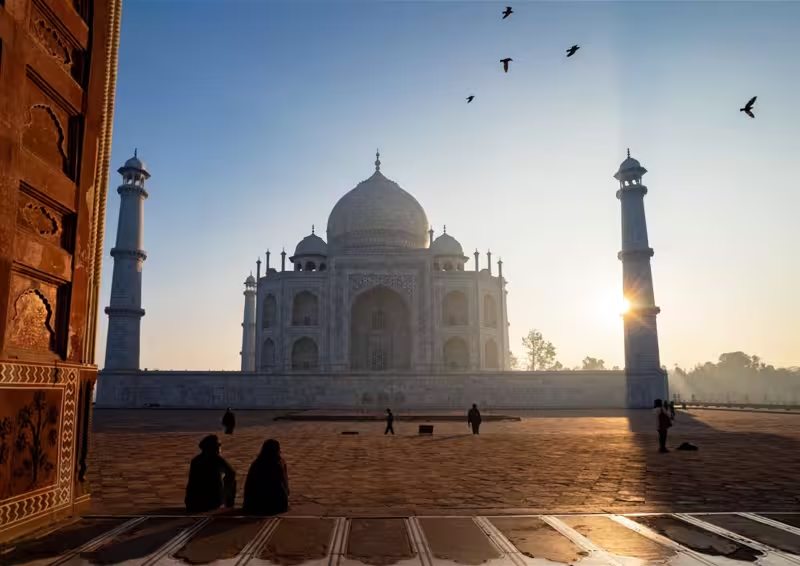
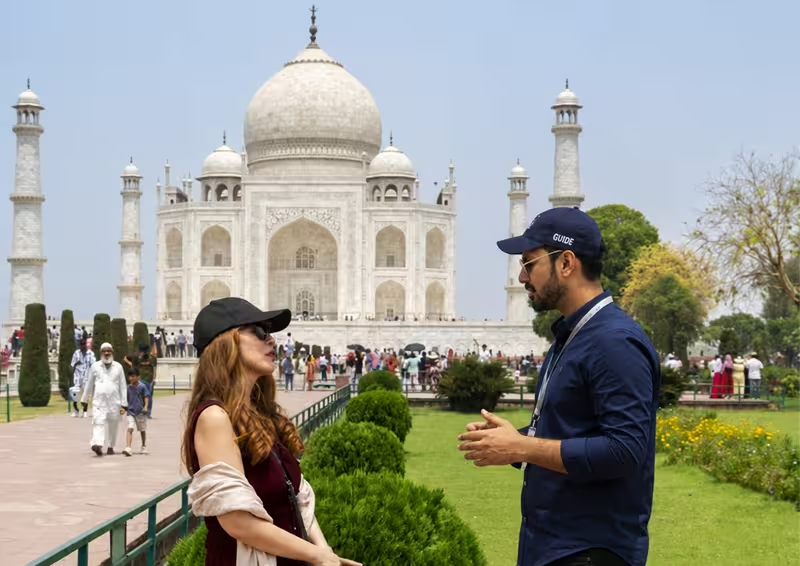
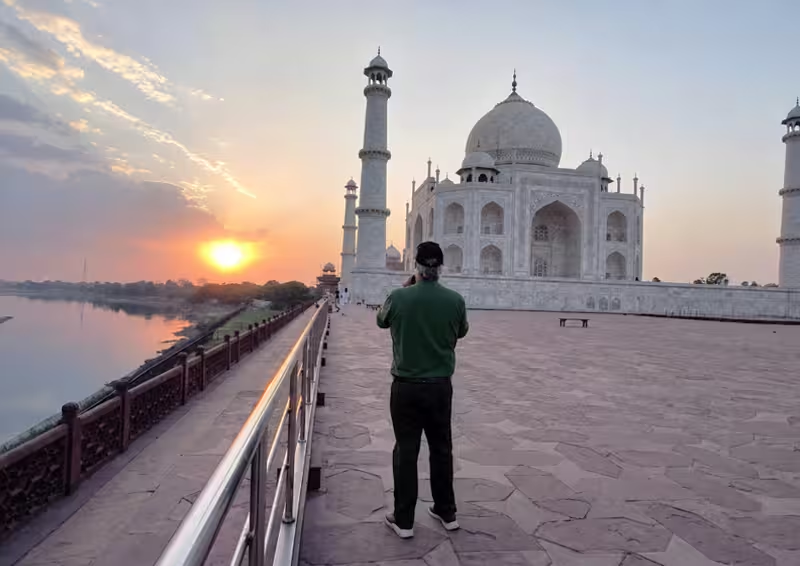
This private tour brings together Agra’s most important landmarks at a comfortable pace. Begin with the Taj Mahal, where you can admire its white-marble architecture and intricate craftsmanship with your local guide. Continue to Agra Fort to explore its grand courtyards, palaces, and Mughal history before taking a break for lunch.
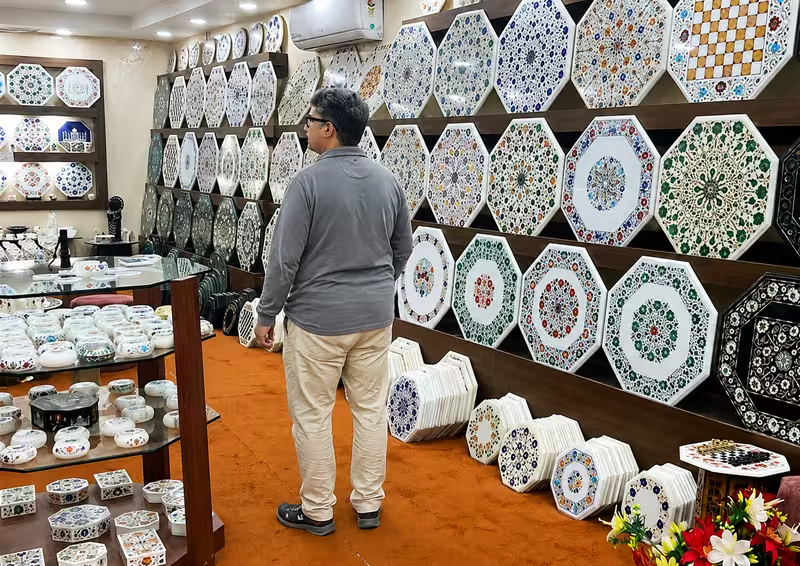
Later, visit Mehtab Bagh, a historic Mughal garden on the opposite bank of the Yamuna River. From here, enjoy a different perspective of the Taj Mahal and, depending on the season and weather, beautiful late-afternoon or sunset views. You can also spend some free time exploring Agra’s local markets and browsing traditional handicrafts and souvenirs.
With private hotel pickup and drop-off, an air-conditioned vehicle, monument entrance fees, and a knowledgeable local guide, this Agra sightseeing tour gives you the flexibility to explore the city comfortably without rushing from one attraction to another.
Tour Highlights
- Taj Mahal: Visit Agra’s iconic white-marble monument, a UNESCO World Heritage Site known for its architecture, craftsmanship, and history.
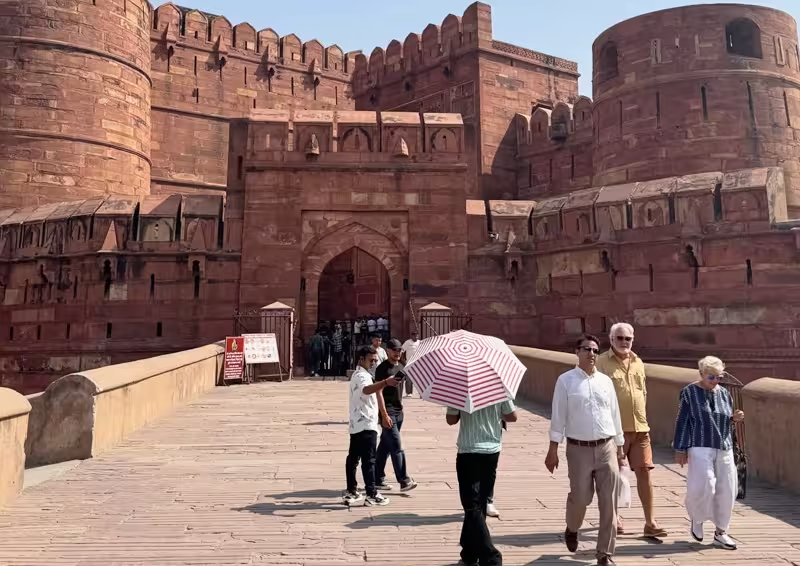
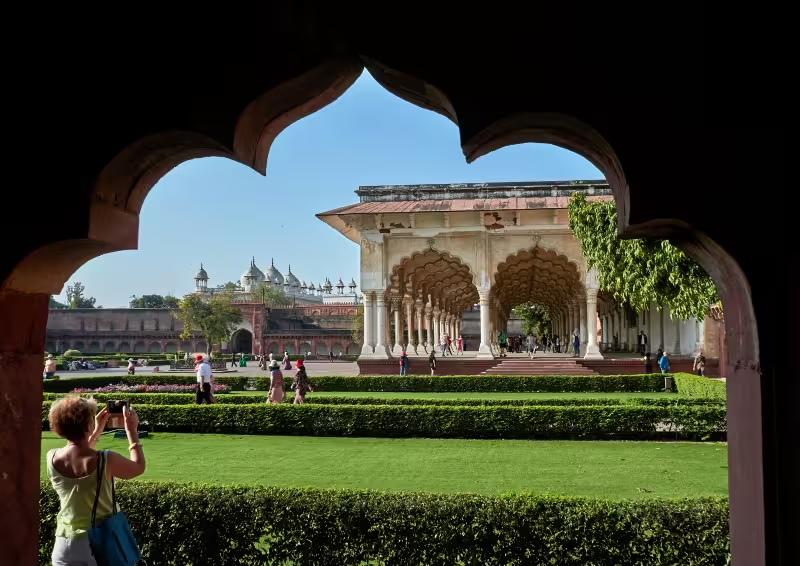
- Agra Fort: Explore the impressive Mughal fortress, including its historic palaces, courtyards, and audience halls.
- Mehtab Bagh: Enjoy a scenic view of the Taj Mahal from this historic Mughal garden across the Yamuna River, with the chance to experience beautiful evening light.
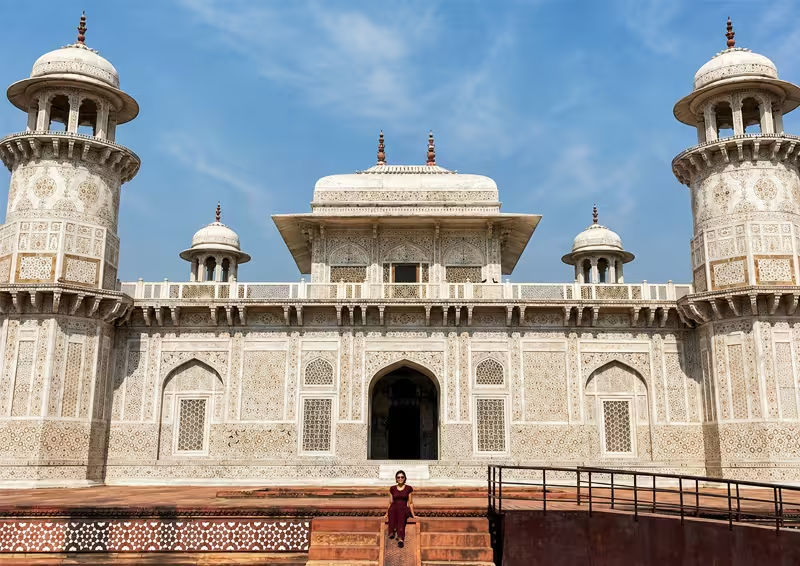
- Mughal Heritage: Learn about Agra’s rich Mughal history and the architectural traditions that shaped the city.
- Local Markets: Browse Agra’s bazaars for marble handicrafts, traditional souvenirs, textiles, and other locally made products.
- Private Sightseeing: Travel at a comfortable pace with a private air-conditioned vehicle, chauffeur, and local guide.
Tour Itinerary:
Your private chauffeur will pick you up from your hotel or preferred location in Agra. Meet your local guide and begin your day exploring Agra’s iconic landmarks, Mughal heritage, and local attractions at a comfortable pace.
Your first stop is the Taj Mahal, Agra’s most famous landmark and a UNESCO World Heritage Site. Built by Mughal Emperor Shah Jahan in memory of his wife Mumtaz Mahal, this white-marble monument is renowned for its elegant architecture and intricate craftsmanship.
Explore the gardens, reflecting pools, marble dome, and detailed inlay work as your local guide explains the history and stories behind the monument. You’ll also learn about fascinating architectural details, including the outward angle of the minarets and the carefully proportioned calligraphy around the main entrance.
Want to learn more before your visit? Read our guide to why the Taj Mahal is so famous for more about its history, architecture, and enduring appeal.
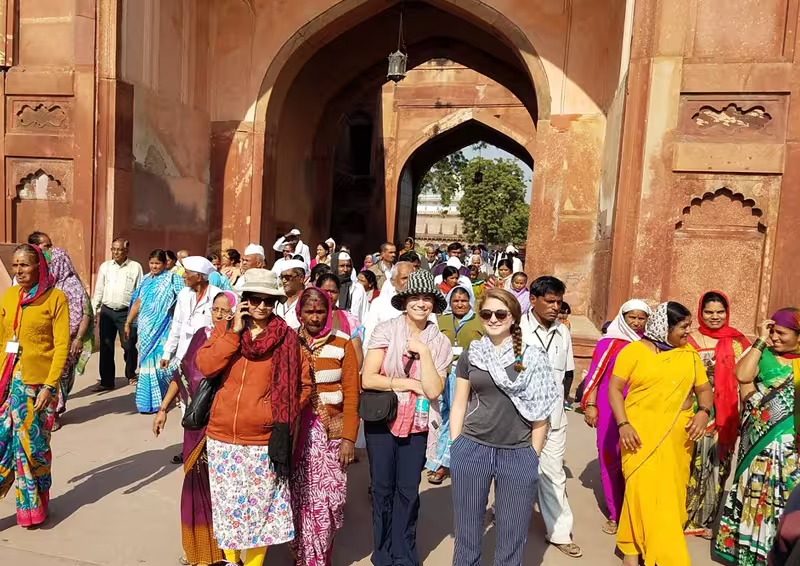
Next, visit Agra Fort, a UNESCO World Heritage Site and one of Agra’s most important Mughal landmarks. This impressive red sandstone fort was once the main residence of the Mughal emperors and features grand palaces, courtyards, audience halls, and historic gateways.
Explore highlights such as Jahangir Mahal, Diwan-i-Am, Delhi Gate, and Amar Singh Gate while your guide explains the fort’s history and its importance during the Mughal era. You’ll also learn about the final years of Emperor Shah Jahan, who was confined here by his son Aurangzeb and spent his final years with views of the Taj Mahal across the Yamuna River.
Discover more attractions, history, and things to do with our complete Agra travel guide.
After your morning sightseeing, take a break at a local restaurant and enjoy a selection of traditional Indian dishes. It’s a chance to relax, recharge, and experience some of the flavours of Agra before continuing your tour.
After lunch, visit Mehtab Bagh, a historic Mughal garden on the opposite bank of the Yamuna River from the Taj Mahal. The garden offers a beautiful view of the monument from across the river and is an excellent place for photographs.
Take some time to enjoy the peaceful surroundings and see the Taj Mahal from a different perspective. Your guide can also share the history of the garden and its connection to the Mughal landscape around the Taj Mahal.
After visiting Mehtab Bagh, your Agra local sightseeing tour comes to an end. Your driver will drop you back at your hotel or preferred location in Agra, or at your next destination. Take some time to reflect on the day and the history, architecture, and local experiences you discovered along the way.
Tour Includes
- Pick-up and drop-off from your hotel or preferred location in Agra
- Entrance fees to the Taj Mahal and Agra Fort
- Private air-conditioned vehicle with professional chauffeur
- Professional local guide for sightseeing
- Fuel, parking charges, toll taxes, and applicable local taxes
- Bottled drinking water
- All applicable government taxes (GST)
Tour Excludes
- Lunch and other meal expenses
- Accommodation or hotel stay
- Personal expenses and shopping
- Souvenir photos (available for purchase)
- Additional activities not mentioned in the itinerary
- Any services not specifically listed under inclusions