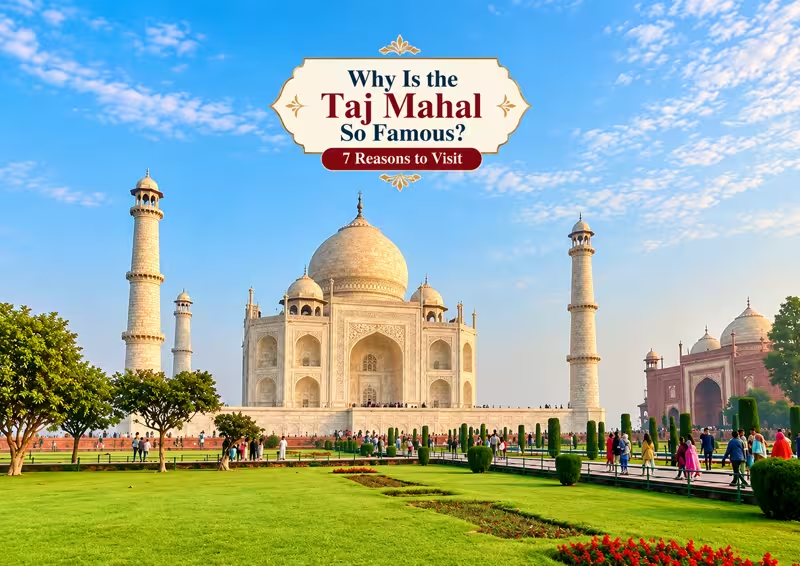
The Taj Mahal is one of India’s most recognised landmarks, but its fame goes beyond its beautiful white marble exterior. Built by Mughal Emperor Shah Jahan in memory of his wife Mumtaz Mahal, the monument brings together a moving history, impressive architecture, detailed craftsmanship, and carefully planned gardens.
For many visitors, seeing the Taj Mahal in person feels different from seeing it in photographs. The scale of the monument, the fine marble inlay, its symmetry, and the way its appearance changes with the light are details that are easier to appreciate on site.
If you are planning a visit to Agra, these are 7 reasons why the Taj Mahal is so famous and why it remains one of India’s most important places to see.
1. The Taj Mahal Has a Powerful Story Behind It
The story behind the Taj Mahal is one of the main reasons people connect with the monument. Shah Jahan commissioned it as a memorial to Mumtaz Mahal, his wife who died in 1631.
Rather than being simply a grand building, the Taj Mahal was created as a lasting memorial. Its history gives the monument a personal meaning that adds to the experience of visiting it.
2. Its Mughal Architecture Is Remarkable
The Taj Mahal is one of the best-known examples of Mughal architecture. Its design combines Persian, Islamic, and Indian influences with an extraordinary focus on balance and proportion.
The main features include:
- White Makrana marble
- A large central dome
- Four tall minarets
- Symmetrical façades
- Decorative calligraphy
- Carved marble screens
- Floral designs
- Detailed marble inlay
The closer you look, the more detail you notice. Artisans fitted coloured and semi-precious stones into the marble to create delicate floral patterns and other decorations.
This fine workmanship is one of the things that makes the Taj Mahal more interesting in person than in photographs.
3. It Is a UNESCO World Heritage Site
UNESCO added the Taj Mahal to the World Heritage List in 1983 because of its outstanding cultural and architectural importance.
The recognition reflects the monument’s importance beyond tourism. It represents an important period in Indian history and demonstrates the architectural, artistic, and technical achievements of the Mughal era.
Today, people visit the Taj Mahal not only for its beauty but also to understand more about India’s history and architectural heritage.
4. The Gardens Are Part of the Design
The Taj Mahal’s gardens are not simply an open space around the monument. They form an important part of its original design.
The garden follows the traditional charbagh layout, with pathways and water channels dividing the grounds into sections. The long reflection pool creates the famous view of the Taj Mahal mirrored in the water.
Walking through the garden also gives you different perspectives of the monument. The view changes as you move closer, making the approach itself part of the experience.
5. It Represents an Important Part of Mughal Culture
The Taj Mahal brings together several forms of artistic expression in one complex.
Architecture, calligraphy, stone inlay, marble carving, and garden design all work together. Each element contributes to the overall appearance of the monument.
For anyone interested in Indian history, the Taj Mahal also offers a closer look at the culture and artistic traditions that developed during the Mughal period.
6. The Craftsmanship and Construction Still Impress Visitors
The construction of the Taj Mahal required years of planning and the work of skilled artisans and craftsmen.
One detail worth seeing closely is the marble inlay, often known as pietra dura. Craftsmen carefully cut coloured stones and fitted them into the marble to create decorative designs.
If you have time during your Agra visit, you can also see traditional marble-inlay work in local workshops. This gives you a better appreciation of the patience and skill required to create such detailed decoration.
7. The Taj Mahal Changes With the Light
The appearance of the Taj Mahal changes throughout the day.
Morning light can give the marble soft pink and grey tones, while bright daylight makes the building appear almost pure white. Near sunset, warmer light can add subtle golden shades.
This changing appearance is one reason photographers and travellers often choose different times of day for their visit.
For many visitors, sunrise is particularly appealing because the weather tends to feel more comfortable and the softer light creates a beautiful setting for photographs.
What Should You See at the Taj Mahal?
A visit does not have to be limited to standing in front of the main monument. Take time to notice the smaller details around the complex.
The Main Gateway
The large entrance provides the first framed view of the Taj Mahal. Take a moment here before walking through toward the gardens.
The Reflection Pool
The long central pool creates one of the most recognisable views of the monument. Early morning often provides beautiful light for photographs.
The Marble Inlay
Look closely at the decorative work on the walls. The floral patterns and coloured stones show the level of craftsmanship that went into the monument.
The Mosque and Guest Pavilion
The buildings on either side of the Taj Mahal form part of the complex’s carefully balanced design.
The Gardens
Walk through the charbagh garden rather than rushing directly toward the mausoleum. The changing viewpoints make the approach more enjoyable.
How Long Should You Spend at the Taj Mahal?
Allow around 2 to 3 hours for a comfortable visit.
That gives you enough time to enter the complex, walk through the gardens, see the main monument and surrounding buildings, look at the decorative details, and take photographs without rushing.
If you plan to visit Agra Fort or another attraction on the same day, allow additional time for travel between sites.
What Is the Best Time to Visit the Taj Mahal?
Early morning is one of the best times to visit the Taj Mahal, particularly during the cooler months.
You can enjoy softer morning light, more comfortable temperatures, and a different atmosphere from the middle of the day.
Sunset can also be a good choice if you prefer warmer light. Before finalising your plans, check the current visiting schedule because entry arrangements can change.
What Should You Carry to the Taj Mahal?
Keep your belongings simple when visiting the monument.
Useful items include:
- Comfortable walking shoes
- Sunglasses
- A hat
- Valid identification where required
- Drinking water where permitted
- A phone or camera for photographs
Security checks apply at the monument, so check the latest rules before your visit and avoid carrying unnecessary items.
How Can You Reach Agra?
Agra has good road and rail connections with several major cities in North India.
From Delhi
You can travel from Delhi to Agra by train, private car, bus, or organised day tour.
From Jaipur
Private cars, buses, and trains connect Jaipur with Agra. A road journey also allows you to plan stops along the way if your schedule permits.
By Private Car
A private car with a driver gives you more flexibility, particularly if you want to visit several attractions in Agra or continue your journey to another city.
Should You Hire a Taj Mahal Guide?
You can visit the Taj Mahal independently, but a local guide can add useful context to the experience.
A good guide can explain:
- The story of Shah Jahan and Mumtaz Mahal
- Mughal architectural features
- Marble inlay techniques
- The layout of the gardens
- Important details around the monument
- Local history and traditions
If history and architecture interest you, a private guide can be particularly useful because you can ask questions and spend more time on the parts that interest you.
Taj Mahal Tickets and Opening Information
Check the latest official ticket prices, entry rules, visiting hours, and security requirements before travelling.
The Taj Mahal is generally closed to visitors on Fridays, so keep this in mind when planning your Agra itinerary.
Because ticket prices and visitor arrangements can change, checking current information shortly before your trip is the safest approach.
Plan Your Taj Mahal Visit
Planning a trip to the Taj Mahal? Explore Agra with a private sightseeing tour,
or choose a convenient Taj Mahal tour from Delhi. We can help you plan your visit
with comfortable transport, a local guide, and a flexible itinerary.
Is the Taj Mahal Worth Visiting?
For most travellers visiting Agra, the Taj Mahal is worth the time.
Its appeal does not come from one feature alone. The history behind it, the architecture, the craftsmanship, gardens, and changing light all contribute to the experience.
If you have only seen photographs, give yourself time to experience the monument slowly. Look at the details, walk through the gardens, and listen to the history behind what you are seeing.
Frequently Asked Questions About the Taj Mahal
detailed craftsmanship, and the story behind its construction. It was built
by Shah Jahan in memory of his wife Mumtaz Mahal.
his wife Mumtaz Mahal. Construction began in the 17th century and involved
skilled craftsmen from different parts of the Mughal Empire and beyond.
because of its outstanding architectural and cultural importance.
monument, gardens, gateway, and surrounding areas. You may need more time
if you plan to visit other Agra attractions on the same day.
cooler and the soft morning light creates excellent views of the monument.
Sunset also offers a different atmosphere and changing colours on the marble.
help explain the monument’s history, architecture, marble inlay work, and
important details that you may otherwise miss.
mausoleum, Mughal gardens, mosque, guest pavilion, and the detailed
marble inlay work inside and around the monument.
latest official visitor information before planning your visit, as opening
rules and entry arrangements can change.
car with a driver is a convenient option for travellers who want flexibility
with pickup times and sightseeing.
craftsmanship, gardens, and cultural importance. Seeing the monument in
person also gives you a better sense of its scale and fine details.
Make Time to Experience the Taj Mahal
The Taj Mahal is easy to recognise in a photograph. Experiencing it in person is something else.
The scale becomes clearer, the marble details become easier to appreciate, and the monument looks different as the light changes. More importantly, understanding the story and craftsmanship behind it gives the visit greater meaning.
If you are travelling to Agra, don’t treat the Taj Mahal as just another stop on a busy itinerary. Give yourself a few hours, slow down, and look beyond the famous photograph. That’s where the real experience begins.
Written by Harshit Agarwal
Hitesh is a travel professional with experience helping travellers explore Agra, the Taj Mahal, and other destinations across India.