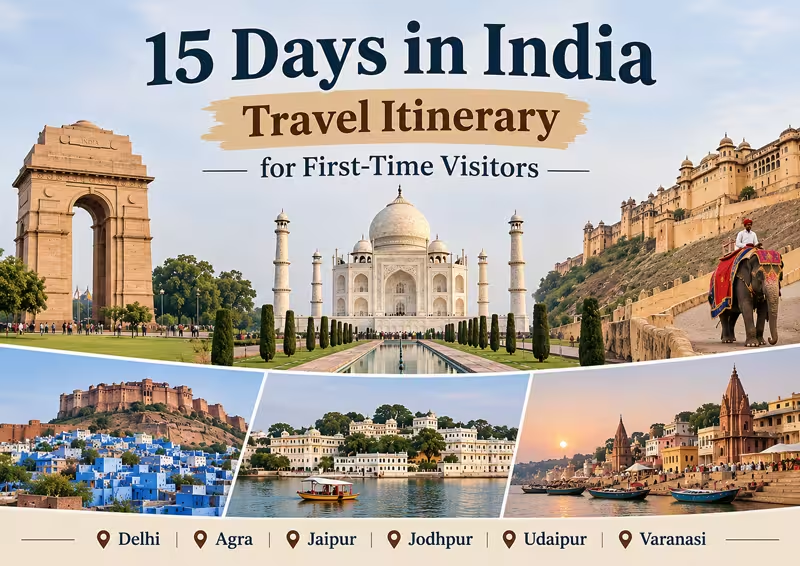
India is a country where every journey brings something different. You can walk through centuries-old forts in Rajasthan, watch the sunrise over the Taj Mahal, explore colourful markets, enjoy traditional Indian food and witness daily life along the River Ganges. Each destination offers a different experience, and even a two-week holiday can introduce you to many sides of the country.
If you are visiting India for the first time, planning your route can feel overwhelming. The country is vast, travel distances can be long, and every region has its own culture, traditions and attractions. Choosing the right destinations makes a big difference to your experience.
This 15-day India travel itinerary takes you through six popular destinations: Delhi, Agra, Jaipur, Jodhpur, Udaipur and Varanasi. It combines historical sightseeing, architectural landmarks, cultural activities, local food and spiritual experiences.
The route works well for international travellers who want to experience North India’s famous attractions without spending their entire holiday travelling between cities. You can follow it independently or arrange a private India tour with a professional driver and local guides.
Is 15 Days Enough to Explore India?
Yes, 15 days gives first-time visitors enough time to explore several of India’s most popular destinations, especially if they focus on one region rather than trying to cover the entire country.
A well-planned two-week India trip can include:
- Delhi’s historic monuments, markets and cultural attractions.
- Agra’s Taj Mahal and Mughal architecture.
- Jaipur’s royal palaces, forts and traditional markets.
- Jodhpur’s blue streets and impressive Mehrangarh Fort.
- Udaipur’s lakes, palaces and romantic atmosphere.
- Varanasi’s riverfront ceremonies and spiritual traditions.
This itinerary focuses on North India and Rajasthan, with a flight to Varanasi at the end. It offers a good introduction to India’s history, architecture, food, religion and everyday culture.
Quick Overview: 15-Day India Itinerary
Here is a day-by-day overview of the journey.
| Day | Destination | Main Experiences |
|---|---|---|
| Day 1 | Delhi | Arrival and hotel check-in |
| Day 2 | Delhi | Old Delhi and New Delhi sightseeing |
| Day 3 | Agra | Drive to Agra and visit Agra Fort |
| Day 4 | Agra to Jaipur | Taj Mahal sunrise and Fatehpur Sikri |
| Day 5 | Jaipur | Amber Fort, City Palace and Hawa Mahal |
| Day 6 | Jaipur | Local markets and cultural experiences |
| Day 7 | Jodhpur | Drive to Jodhpur |
| Day 8 | Jodhpur | Mehrangarh Fort and Blue City |
| Day 9 | Udaipur | Drive via Ranakpur Jain Temple |
| Day 10 | Udaipur | City Palace, Lake Pichola and local attractions |
| Day 11 | Udaipur | Relaxed day and cultural experiences |
| Day 12 | Varanasi | Flight to Varanasi |
| Day 13 | Varanasi | Sunrise boat ride and Old City |
| Day 14 | Varanasi | Sarnath and local experiences |
| Day 15 | Departure | Airport transfer |
Travel times and transport arrangements depend on traffic, flight schedules, road conditions and the season.
Day 1: Arrive in Delhi – Welcome to India
Your journey begins in Delhi, India’s capital and one of its most fascinating cities. Delhi brings together historic neighbourhoods, grand government buildings, busy shopping streets and modern restaurants.
After arriving at Indira Gandhi International Airport, meet your driver and transfer to your hotel. Take some time to settle in after your international flight.
Depending on your arrival time and energy levels, you can enjoy a relaxed evening.
Suggested activities:
- Visit Connaught Place for shopping, restaurants and cafés.
- Enjoy a traditional Indian dinner.
- Take a short walk around your hotel neighbourhood.
- Try popular Indian dishes such as butter chicken, dal makhani or paneer tikka.
Overnight stay: Delhi.
Travel tip: Avoid planning a full sightseeing schedule on your arrival day. International flights, immigration and road traffic can make the first day tiring.
Day 2: Explore Old Delhi and New Delhi
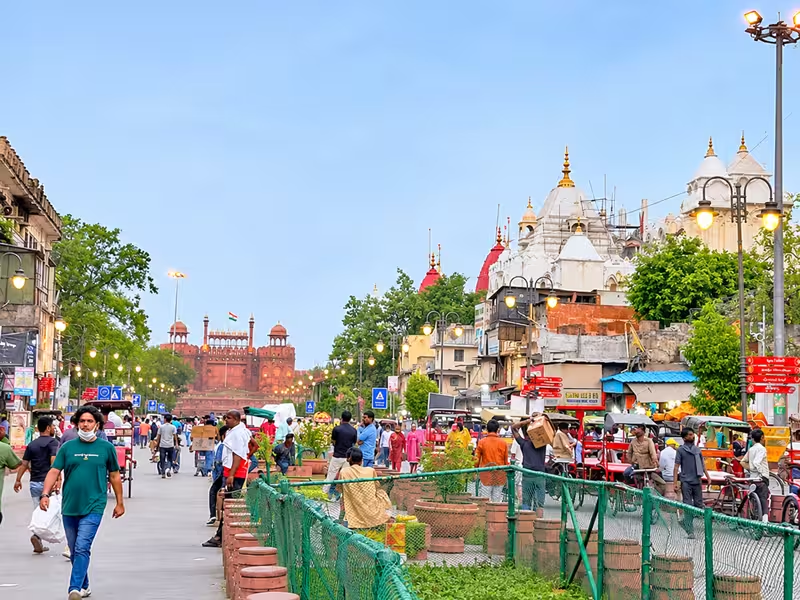
Spend your second day discovering Delhi’s history and architecture. The city has two distinct sides. Old Delhi has narrow lanes, traditional markets and Mughal-era landmarks, while New Delhi features wide roads, colonial-era buildings and impressive monuments.
Morning: Discover Old Delhi
Start with a visit to Jama Masjid, one of India’s largest historic mosques. Its grand courtyard and architectural details make it an interesting place to explore.
Continue towards Chandni Chowk, one of Delhi’s busiest traditional markets. You can explore its narrow lanes by walking or taking a cycle rickshaw.
Popular places to visit include:
- Red Fort: A UNESCO World Heritage Site and former Mughal imperial residence.
- Jama Masjid: A historic mosque built during the reign of Shah Jahan.
- Chandni Chowk: A traditional market known for street food, textiles and jewellery.
- Khari Baoli: A historic wholesale spice market.
Afternoon: Explore New Delhi
After lunch, explore the important landmarks of New Delhi.
Visit Humayun’s Tomb, a UNESCO World Heritage Site known for its Mughal architecture and landscaped gardens. Continue to India Gate, a war memorial surrounded by open public spaces.
You can also drive past Rashtrapati Bhavan and the Parliament House area, subject to public access and security restrictions.
If time permits, visit Qutub Minar, another UNESCO World Heritage Site.
Overnight stay: Delhi.
Day 3: Delhi to Agra – Discover Mughal History
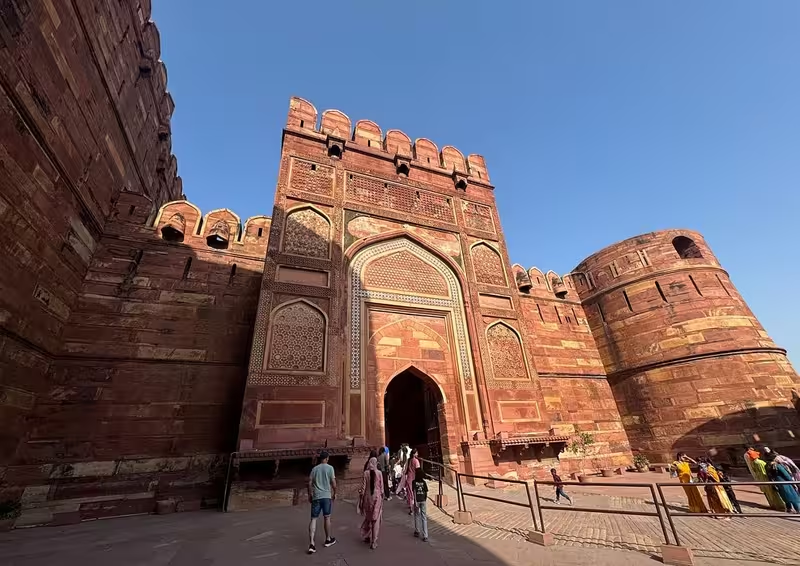
After breakfast, leave Delhi for Agra by private car. The journey usually takes around 3–4 hours via the Yamuna Expressway, depending on traffic and your starting point.
Agra was once an important centre of the Mughal Empire. Its historic monuments, gardens and architecture attract visitors from around the world.
After checking into your hotel, begin sightseeing.
Visit Agra Fort
Explore Agra Fort, a UNESCO World Heritage Site that served as a major residence and administrative centre for Mughal emperors.
Inside the fort, you can see historic courtyards, royal halls, marble buildings and impressive gateways. Some sections also offer views towards the Taj Mahal.
Explore Mehtab Bagh
If you arrive with enough daylight, visit Mehtab Bagh, a garden complex across the Yamuna River. It offers a different view of the Taj Mahal, especially around sunset.
Spend the evening relaxing at your hotel or exploring Agra’s local food scene.
Overnight stay: Agra.
Travel tip: Choose a hotel with convenient access to the Taj Mahal so you can reach the monument early the following morning.
Day 4: Taj Mahal Sunrise and Drive to Jaipur via Fatehpur Sikri
Start early to visit the Taj Mahal at sunrise. This is one of the best times to experience the monument, as the morning light creates beautiful colours across its white marble surface. If you are travelling from Delhi, you can also explore our Taj Mahal Sunrise Tour from Delhi for a convenient early-morning visit to this iconic monument.
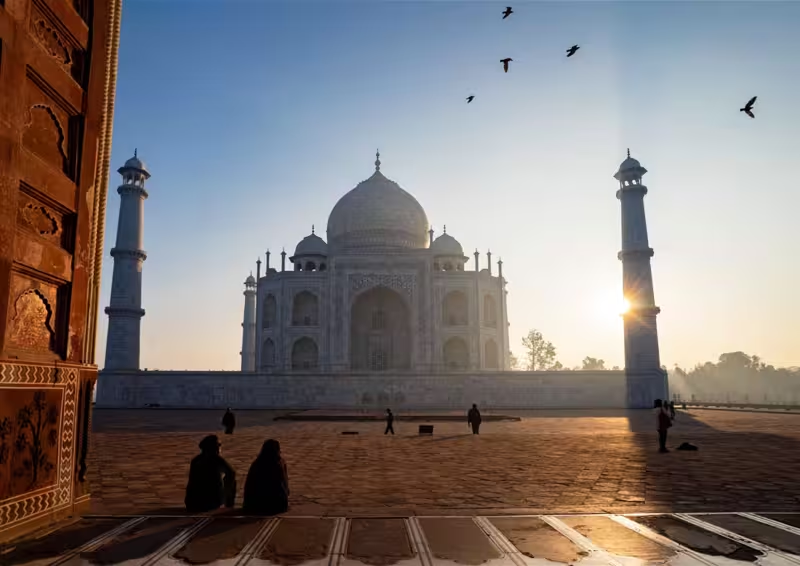
Emperor Shah Jahan commissioned the Taj Mahal in memory of his wife Mumtaz Mahal. The monument took several years to complete and remains one of the finest examples of Mughal architecture.
Walk through its gardens, admire the intricate marble decoration and learn about its history from a local guide.
Allow around 2–3 hours for your visit, depending on crowds and entry procedures.
Continue to Jaipur via Fatehpur Sikri
After breakfast and hotel check-out, drive towards Jaipur. En route, stop at Fatehpur Sikri, a UNESCO World Heritage Site located approximately 40 km from Agra.
Emperor Akbar built this historic city in the 16th century. Its red sandstone buildings, courtyards and grand gateways offer an insight into Mughal architecture.
Important attractions include:
- Buland Darwaza.
- Jama Masjid.
- Panch Mahal.
- Diwan-i-Khas.
- Tomb of Salim Chishti.
Continue your journey to Jaipur, which generally takes around 4–5 hours from Fatehpur Sikri, including the stop and depending on traffic.
Overnight stay: Jaipur.
Day 5: Jaipur Sightseeing – Explore the Pink City
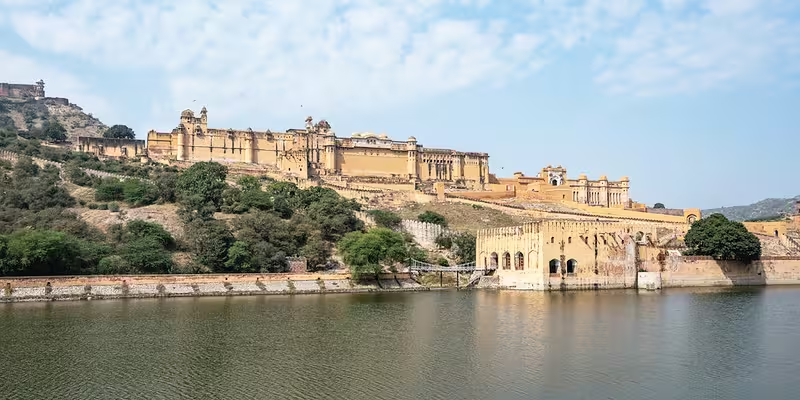
Jaipur, popularly known as the Pink City, is the capital of Rajasthan. The city is known for its royal heritage, historic forts, colourful markets and traditional architecture.
Begin your sightseeing after breakfast.
Visit Amber Fort
Amber Fort is one of Jaipur’s most famous attractions. Located on a hill overlooking Maota Lake, the fort features large courtyards, decorated halls, gateways and intricate mirror work.
Explore its important sections, including the Diwan-i-Aam, Sheesh Mahal and Ganesh Pol.
Stop at Jal Mahal
On your way back towards the city, stop at Jal Mahal, a palace located in the middle of Man Sagar Lake. Visitors generally admire it from the lakeside viewpoint, as access to the palace interior is restricted.
Visit Hawa Mahal
Continue to Hawa Mahal, also known as the Palace of Winds. Its distinctive façade features hundreds of small windows and balconies designed to allow royal women to observe street activities while maintaining privacy.
Explore City Palace and Jantar Mantar
Visit City Palace to see royal courtyards, museums and historic collections connected with Jaipur’s royal family.
Next, explore Jantar Mantar, a UNESCO World Heritage Site containing large astronomical instruments built to observe celestial movements and measure time.
Overnight stay: Jaipur.
Day 6: Jaipur – Markets, Culture and Local Experiences
Use your second full day in Jaipur to explore the city’s local culture. While the major monuments tell the story of its royal past, the markets and neighbourhoods give you a closer look at everyday life.
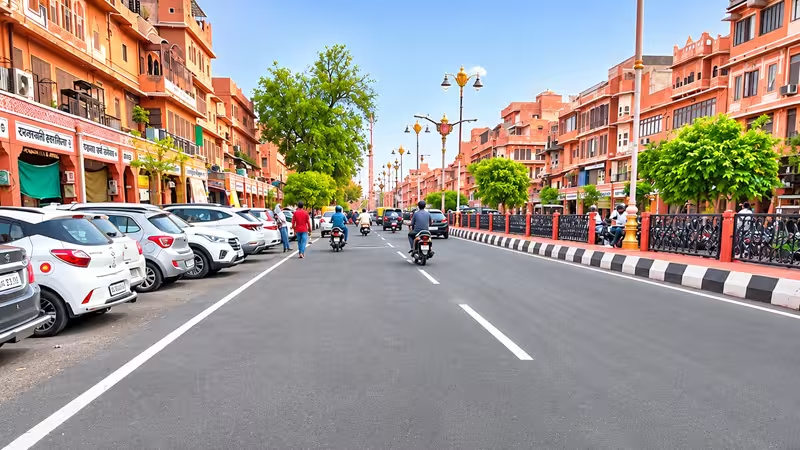
Explore Jaipur’s Traditional Markets
Visit some of Jaipur’s best-known shopping areas:
- Johari Bazaar: Famous for traditional jewellery and gemstones.
- Bapu Bazaar: Popular for textiles, footwear and souvenirs.
- Tripolia Bazaar: Known for lac bangles and traditional handicrafts.
- Chandpole Market: A good place to explore local crafts and decorative items.
Try Traditional Rajasthani Food
Jaipur offers many opportunities to experience regional cuisine.
Some dishes worth trying include:
- Dal Baati Churma.
- Gatte Ki Sabzi.
- Ker Sangri.
- Rajasthani Thali.
- Ghewar.
Optional Cultural Experiences
Depending on your interests, you can include:
- A traditional cooking demonstration.
- A block-printing or handicraft workshop.
- A visit to a local village.
- A Rajasthani folk music and dance performance.
Keep some free time in your schedule for shopping, photography or simply enjoying the city.
Overnight stay: Jaipur.
Day 7: Jaipur to Jodhpur – Journey to the Blue City
After breakfast, check out and drive to Jodhpur. The journey generally takes around 5–6 hours by road, depending on traffic and stops.
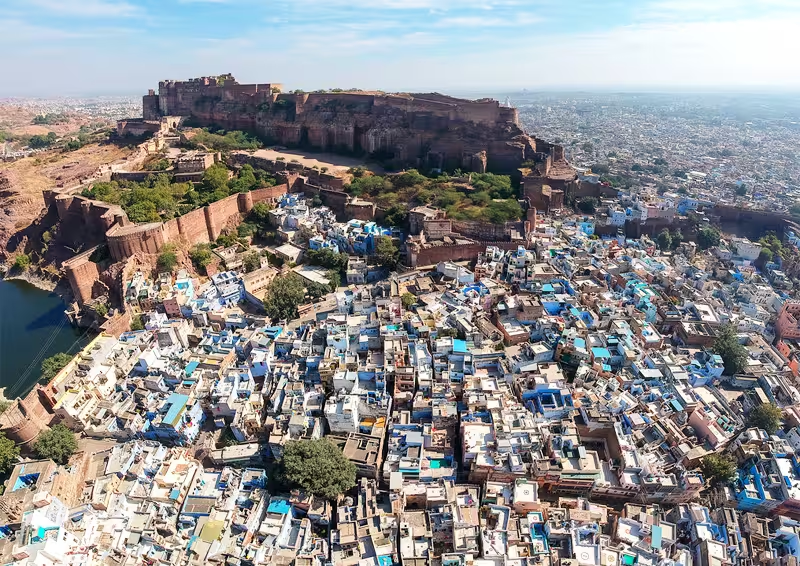
Jodhpur is known as the Blue City because many houses in its old neighbourhoods feature shades of blue. It is also home to one of Rajasthan’s most impressive hilltop forts.
After reaching Jodhpur, check into your hotel and relax.
If you arrive early, take a walk through the old city and explore the local streets.
Optional evening activities:
- Visit the Clock Tower area.
- Explore Sardar Market.
- Try local snacks and sweets.
- Enjoy views of Mehrangarh Fort from a rooftop restaurant.
Overnight stay: Jodhpur.
Day 8: Jodhpur Sightseeing – Forts, Palaces and Blue Streets
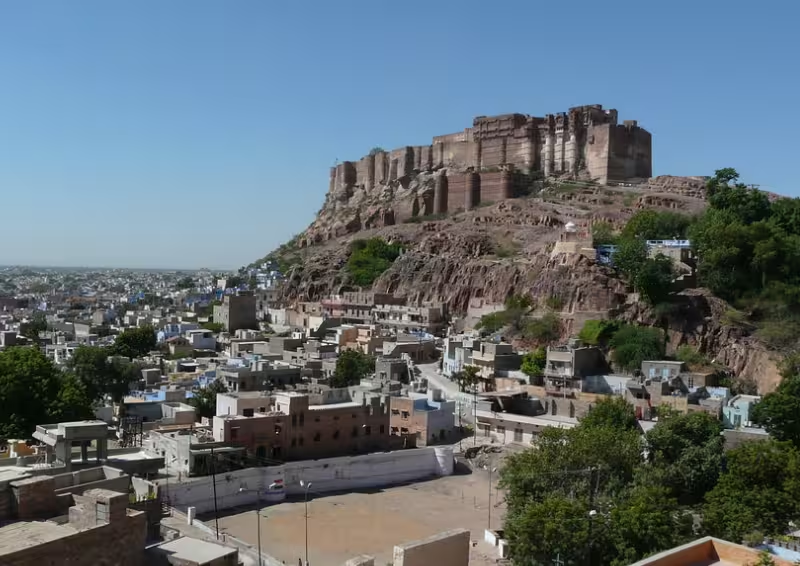
Spend the day exploring Jodhpur’s royal architecture and historic neighbourhoods.
Visit Mehrangarh Fort
Begin with Mehrangarh Fort, which stands on a rocky hill overlooking the city. Rao Jodha founded the fort in the 15th century.
Inside, you can explore royal palaces, museum galleries, decorated rooms and historic collections. The fort also offers excellent views of Jodhpur’s blue houses.
Explore Jaswant Thada
Continue to Jaswant Thada, a white marble memorial built in memory of Maharaja Jaswant Singh II. Its peaceful surroundings and detailed marble work make it worth visiting.
Visit Umaid Bhawan Palace
Next, visit Umaid Bhawan Palace, an impressive 20th-century royal residence. Part of the palace operates as a luxury hotel, while another section houses a museum that visitors can explore.
Walk Through the Blue City
In the afternoon, explore the old streets around Navchokiya and the Brahmpuri neighbourhood.
You can photograph the blue-painted houses, visit small shops and observe the daily activities of local residents. Consider hiring a local guide who knows the area’s history and narrow lanes.
Overnight stay: Jodhpur.
Day 9: Jodhpur to Udaipur via Ranakpur Jain Temple
After breakfast, leave Jodhpur for Udaipur. Rather than driving directly, take a route through Ranakpur to visit its famous Jain Temple.
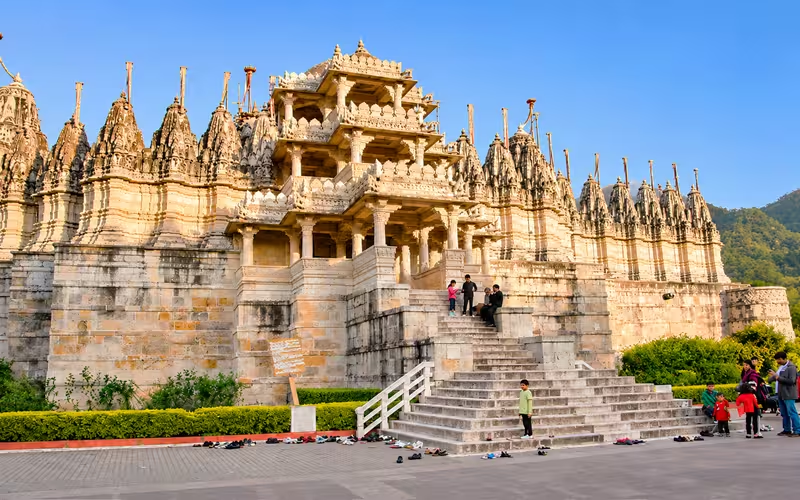
The journey from Jodhpur to Ranakpur takes approximately 2–3 hours, followed by another 2–3 hours to Udaipur, depending on road conditions.
Visit Ranakpur Jain Temple
Ranakpur Jain Temple is famous for its detailed marble architecture. Built in the 15th century, the temple complex contains beautifully carved pillars, domes and decorative ceilings.
Its main temple, dedicated to Tirthankara Adinatha, is particularly well known for its architectural details.
Visitors should follow the temple’s dress code, photography rules and visiting hours. Check the latest visitor information before travelling.
Continue to Udaipur
After your visit, continue towards Udaipur.
Udaipur is often called the City of Lakes. It is known for its palaces, scenic lakes, traditional streets and relaxed atmosphere.
After checking into your hotel, enjoy a peaceful evening.
Overnight stay: Udaipur.
Day 10: Udaipur Sightseeing – Palaces, Temples and Lakes
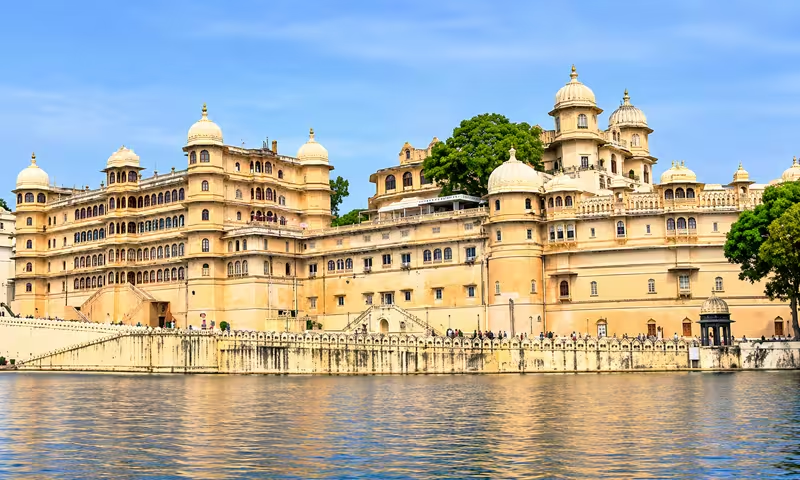
Start your day with a visit to City Palace, one of Udaipur’s most famous landmarks. The palace complex overlooks Lake Pichola and contains courtyards, balconies, museums and beautifully decorated rooms.
Visit Jagdish Temple
Walk to Jagdish Temple, located close to City Palace. This historic Hindu temple is dedicated to Lord Vishnu and is known for its carved pillars and detailed stone architecture.
Enjoy a Boat Ride on Lake Pichola
One of the most enjoyable experiences in Udaipur is a boat ride on Lake Pichola.
Depending on the operating schedule and ticket availability, you can enjoy views of the surrounding palaces, ghats and lakeside buildings. Some boat routes include a stop near Jagmandir Island.
Explore Saheliyon Ki Bari
Continue to Saheliyon Ki Bari, a historic garden known for its fountains, lotus pools, marble pavilions and green spaces.
Visit Fateh Sagar Lake
End your sightseeing at Fateh Sagar Lake. Enjoy the peaceful lakeside surroundings and watch the changing colours of the sky in the evening.
Overnight stay: Udaipur.
Day 11: Udaipur – Relaxed Day and Cultural Experiences
Keep your third day in Udaipur relatively relaxed. After several days of road journeys and sightseeing, this is a good opportunity to enjoy the city at a slower pace.
You can choose from several activities depending on your interests.
Things to do in Udaipur:
- Visit Bagore Ki Haveli and explore its historic rooms.
- Watch a traditional Rajasthani folk dance performance, subject to the daily programme.
- Explore local miniature painting workshops.
- Shop for handicrafts, textiles and traditional jewellery.
- Enjoy a meal at a rooftop restaurant overlooking Lake Pichola.
- Visit a nearby rural community for a cultural experience.
If you prefer a quieter day, spend some time enjoying your hotel, taking photographs or walking along the lake.
Overnight stay: Udaipur.
Day 12: Udaipur to Varanasi – Discover India’s Spiritual Side
Today, travel to Varanasi, one of India’s oldest continuously inhabited cities and an important centre of Hindu pilgrimage.
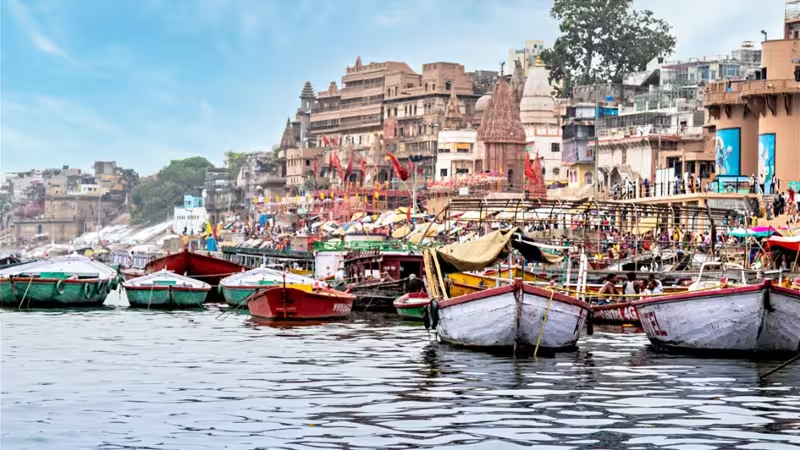
The most practical option is to take a flight from Maharana Pratap Airport in Udaipur to Varanasi, usually with a connection depending on available schedules.
After arriving at Lal Bahadur Shastri International Airport, transfer to your hotel.
Varanasi offers a very different atmosphere from the royal cities of Rajasthan. Its narrow lanes, riverside steps, temples and religious ceremonies give visitors an opportunity to learn about India’s spiritual traditions.
In the evening, visit Dashashwamedh Ghat to witness the Ganga Aarti.
Experience the Ganga Aarti
The Ganga Aarti is a daily Hindu prayer ceremony performed along the River Ganges. Priests use large lamps, incense and traditional rituals as visitors gather on the ghats and nearby boats to watch.
The ceremony attracts both pilgrims and travellers. Arrive early to find a suitable viewing place.
Overnight stay: Varanasi.
Day 13: Varanasi Sunrise Boat Ride and Old City Exploration
Wake up early for one of Varanasi’s most memorable experiences: a sunrise boat ride on the River Ganges.
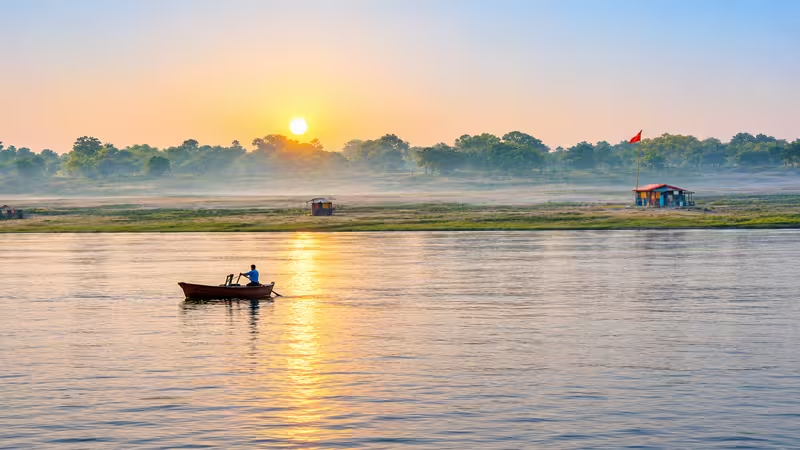
As the city wakes up, you can see people performing morning prayers, bathing in the river, practising yoga and visiting temples along the ghats.
The boat ride offers a chance to observe the city’s daily routines from the water.
Explore Varanasi’s Famous Ghats
Some important ghats to see include:
- Dashashwamedh Ghat: Famous for the evening Ganga Aarti.
- Assi Ghat: Popular for morning activities and riverside walks.
- Manikarnika Ghat: An important Hindu cremation ghat. Visitors should maintain a respectful distance and avoid photography of funeral rites.
- Harishchandra Ghat: Another historic cremation ghat.
- Walk Through the Old City
After breakfast, explore the narrow lanes of the old city with a local guide.
Visit local shops, traditional sweet stalls and historic temples. If access arrangements permit, visit Shri Kashi Vishwanath Temple, one of India’s most important Hindu temples.
Follow the temple’s security rules and dress requirements.
Overnight stay: Varanasi.
Day 14: Varanasi and Sarnath – History and Buddhist Heritage
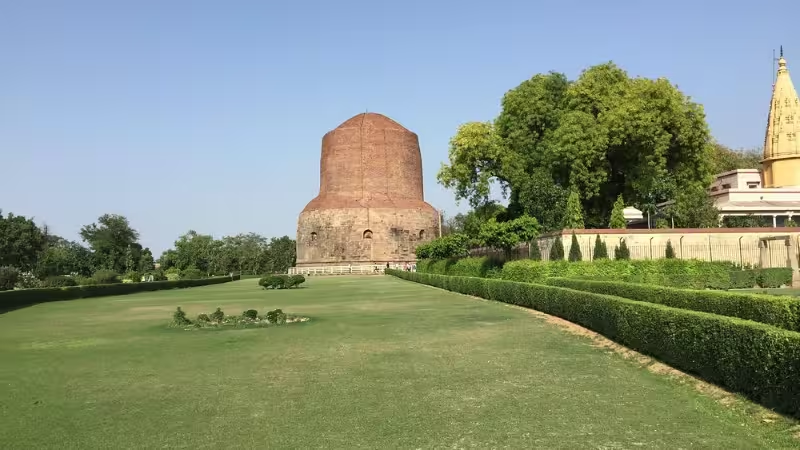
On your final full day, take a half-day excursion to Sarnath, located approximately 10 km from Varanasi.
Sarnath holds an important place in Buddhist history. According to Buddhist tradition, Gautama Buddha delivered his first sermon here after attaining enlightenment.
Explore Sarnath’s Main Attractions
Important places to visit include:
- Dhamek Stupa: A major Buddhist monument associated with Buddha’s first sermon.
- Chaukhandi Stupa: A historic monument connected with Buddha’s arrival at Sarnath.
- Sarnath Archaeological Museum: Houses sculptures and archaeological objects from the region. Check its opening schedule before visiting.
- Mulagandha Kuti Vihar: A Buddhist temple known for its religious artwork and peaceful surroundings.
Return to Varanasi in the afternoon.
Spend your remaining time shopping for Banarasi silk products, tasting local food or enjoying a final walk along the ghats.
Overnight stay: Varanasi.
Day 15: Departure from Varanasi – End of Your India Journey
Your 15-day India holiday comes to an end today.
After breakfast, check out from your hotel and transfer to Varanasi Airport for your onward flight.
If your international flight departs from Delhi, Mumbai or another city, arrange a suitable connecting flight and allow enough time between flights. Avoid booking a tight connection, especially if you have separate flight tickets.
You leave India with memories of Mughal monuments, royal Rajasthan, traditional markets, beautiful lakes and the spiritual atmosphere of Varanasi.
Best Time to Visit India for 15 Days
The best time for this North India and Rajasthan itinerary is generally October to March. These months offer more comfortable sightseeing conditions across most destinations on the route.
Here is what you can expect in different seasons.
October to November: Pleasant Weather
October and November are excellent months for visiting Delhi, Agra, Jaipur, Jodhpur and Udaipur.
The monsoon usually starts withdrawing, and daytime temperatures become more comfortable for sightseeing. Diwali celebrations also take place during this period, although the exact dates change each year.
December to February: Winter Travel Season
December, January and February are popular months for international visitors.
Rajasthan generally offers pleasant daytime sightseeing conditions, although mornings and evenings can become cold. Delhi and Agra may experience dense winter fog, which can affect road and flight schedules.
Pack warm clothing, particularly for early morning visits to the Taj Mahal and Varanasi.
March to April: Warmer Days
March can still be a good month for travel, although temperatures begin to rise. April is generally hotter, especially in Rajasthan.
If you travel during this period, schedule outdoor sightseeing early in the morning and later in the afternoon.
May to September: Summer and Monsoon
May and June bring intense heat to much of North India. July, August and September bring monsoon rainfall, which can affect outdoor sightseeing and road journeys.
You can still visit India during these months, but plan for heat, humidity, rain and possible transport delays.
How to Travel Around India During This 15-Day Trip
Choosing the right transport can make your India holiday more comfortable and easier to manage.
For this itinerary, a combination of private road transport and domestic flights works well.
Private Chauffeur-Driven Car
A private car with an experienced driver is a convenient option for travelling between Delhi, Agra, Jaipur, Jodhpur and Udaipur.
Benefits include:
- Flexible departure times.
- Hotel-to-hotel transfers.
- Stops for sightseeing and photography.
- Easier luggage handling.
- Comfortable travel between Rajasthan’s cities.
- Freedom to explore attractions along the route.
For couples and small families, a sedan or SUV may be suitable. Larger families and groups can choose an Innova, Crysta or tempo traveller depending on the number of passengers and luggage.
Domestic Flights
A flight from Udaipur to Varanasi saves considerable road travel time.
Direct flights may not operate on every date, so check the available schedules when planning your trip.
Indian Trains
Indian Railways connects many major cities. Trains can offer an interesting travel experience, but availability, journey duration and station transfers require advance planning.
For a 15-day holiday with several destinations, private road transport and a domestic flight can make the schedule easier to manage.
Estimated Budget for a 15-Day India Trip
The cost of a 15-day India holiday depends on your hotel category, transport, meals, sightseeing preferences and travel season.
For a first-time visitor, it helps to plan your budget across the following categories:
| Expense | What It Covers |
|---|---|
| Accommodation | Hotels, guesthouses or luxury properties |
| Transportation | Private car, driver, fuel and domestic flights |
| Sightseeing | Monument entry tickets and local guides |
| Food | Breakfast, lunch, dinner and local dining |
| Activities | Boat rides, cultural shows and workshops |
| Personal Expenses | Shopping, tips and miscellaneous costs |
A budget traveller may choose simple hotels and public transport, while a mid-range traveller may prefer comfortable three- or four-star hotels with private transfers.
Luxury travellers can select heritage hotels, five-star properties, private guides and premium transport.
Important: Treat any online budget as an estimate until you confirm the travel dates, group size, hotel choices and inclusions. Monument tickets, domestic flights and hotel rates can change.
Where to Stay During Your 15 Days in India
Choosing a convenient hotel location can save time and make sightseeing easier.
Here are some areas worth considering:
| Destination | Suggested Area | Why Stay Here? |
|---|---|---|
| Delhi | Connaught Place or Aerocity | Convenient for transport, restaurants and city access |
| Agra | Taj East Gate Road | Convenient for Taj Mahal visits |
| Jaipur | Civil Lines, Bani Park or C-Scheme | Good access to major attractions and dining |
| Jodhpur | Near the Old City or Ratanada | Convenient for sightseeing and local experiences |
| Udaipur | Lake Pichola or City Centre | Close to palaces, lakes and markets |
| Varanasi | Assi Ghat or Cantonment | Different accommodation styles and access options |
Choose accommodation based on your mobility needs, transport arrangements, noise preferences and access to attractions.
Essential Travel Tips for First-Time Visitors to India
India is an exciting destination, but a little preparation can make your trip much smoother.
1. Check Your Indian Visa Requirements
Most foreign travellers need a valid visa before entering India. Eligible nationalities may apply through India’s official e-Visa system.
Always check the current eligibility rules, permitted entry points, application requirements and processing time through the official Indian government website before booking your journey.
2. Dress Respectfully at Religious Sites
Many temples, mosques, gurudwaras and other religious places expect visitors to dress modestly.
Keep your shoulders and knees covered where required. Remove your shoes before entering places that follow this custom.
3. Carry Some Indian Rupees
Digital payments are widely used in Indian cities, but cash remains useful for small shops, local markets, tips and some rural areas.
Use authorised currency exchange services and ATMs.
4. Choose Bottled or Properly Filtered Drinking Water
Drink sealed bottled water or water from a reliable filtration system. Check the seal before opening bottled water.
Be cautious with raw salads, unpeeled fruit and street food prepared in unhygienic conditions.
5. Plan Your Sightseeing Around Local Conditions
Traffic, public holidays, monument closures and weather can affect your schedule.
Check the opening days and entry arrangements of major attractions before travelling. Keep some flexibility in your daily plans.
6. Hire Local Guides for Important Monuments
A knowledgeable local guide can explain the history and architecture of places such as the Taj Mahal, Amber Fort and Mehrangarh Fort.
Choose authorised guides through reliable tour operators or official tourism channels.
7. Respect Local Customs and Photography Rules
Ask permission before photographing people, particularly during religious activities and in private spaces.
Follow photography restrictions at monuments and religious sites. Avoid taking photographs of cremation rituals in Varanasi.
8. Keep Your Travel Documents Safe
Carry a copy of your passport, visa, hotel details and travel insurance information. Keep digital copies in a secure location as well.
Travel insurance that covers medical emergencies, trip interruptions and baggage issues can be useful.
What Should You Pack for a 15-Day Trip to India?
Your packing list should reflect the season and destinations you plan to visit.
Here are some useful essentials:
- Comfortable walking shoes.
- Lightweight cotton clothing.
- A light jacket or sweater for winter mornings.
- Modest clothing for religious places.
- Sunglasses, sunscreen and a hat.
- Personal medicines and basic first-aid supplies.
- A universal travel adapter.
- Power bank.
- Reusable water bottle.
- Small day bag for sightseeing.
- Copies of important travel documents.
If you visit between December and February, pack warmer clothes for Delhi, Agra and Varanasi, particularly if you plan early morning sightseeing.
Can You Customise This 15-Day India Itinerary?
Yes. You can change this itinerary according to your interests, budget, arrival airport and preferred travel pace.
For example:
- Wildlife lovers: Replace one day in Jaipur or Udaipur with a Ranthambore safari experience.
- History enthusiasts: Add more time in Delhi, Agra and Rajasthan’s historic cities.
- Spiritual travellers: Spend an additional day in Varanasi or include other pilgrimage destinations.
- Luxury travellers: Choose heritage hotels, private guides and premium chauffeur-driven vehicles.
- Families: Reduce the number of long sightseeing days and include more relaxed activities.
- Photography enthusiasts: Allow extra time for sunrise visits, old-city walks and local markets.
If you prefer a shorter journey, you can skip Varanasi and spend more time exploring Rajasthan. If you want to experience more of India’s spiritual heritage, you can add destinations such as Khajuraho or Bodh Gaya, subject to your available travel time and flight connections.
Frequently Asked Questions About Spending 15 Days in India
1. What is the best 15-day itinerary for India?
A popular 15-day route for first-time visitors includes Delhi, Agra, Jaipur, Jodhpur, Udaipur and Varanasi. This itinerary combines Mughal monuments, Rajasthan’s royal heritage, local culture and spiritual experiences.
2. How many cities can you visit in India in 15 days?
You can comfortably visit around five to six destinations in 15 days if you plan your route carefully. Spending two or three nights in major cities gives you enough time to explore without rushing through every attraction.
If you want to explore Rajasthan in greater detail, you can also consider our 14-Day Rajasthan Tour from Delhi, which covers Jaipur, Pushkar, Udaipur, Jodhpur, Jaisalmer and other historic destinations.
3. How much money do I need for 15 days in India?
Your total budget depends on your accommodation, transport, meals, sightseeing and travel style. Budget travellers can use public transport and affordable hotels, while mid-range and luxury travellers may choose private cars, better hotels and guided tours.
4. Is India safe for first-time international visitors?
Many international travellers visit India successfully every year. Use reliable transport, choose well-reviewed accommodation, protect your belongings and follow local safety advice. Solo travellers should take additional care when travelling at night and in unfamiliar areas.
5. Is a private driver recommended for a 15-day India trip?
A private driver can make a multi-city journey more convenient. You can travel directly between hotels and attractions, stop along the way and avoid the difficulty of arranging separate transfers in every destination.
6. What is the best month to visit India for 15 days?
October to March is generally the most comfortable period for this North India and Rajasthan itinerary. December and January can bring cold mornings and fog, while October and November offer good conditions for sightseeing in many destinations.
7. Can I visit the Taj Mahal and Jaipur in the same 15-day trip?
Yes. Delhi, Agra and Jaipur form the famous Golden Triangle route. You can extend this journey to Jodhpur, Udaipur and Varanasi to experience more of India’s history and culture.
8. Is 15 days enough for the Golden Triangle and Rajasthan?
Yes. Fifteen days gives you enough time to explore Delhi, Agra, Jaipur, Jodhpur and Udaipur, with additional time for Varanasi if you include a domestic flight. You should plan your route carefully to avoid unnecessary backtracking.
If you prefer a shorter journey covering these five popular destinations, explore our 10-Day Golden Triangle and Royal Rajasthan Tour, featuring Delhi, Agra, Jaipur, Jodhpur and Udaipur.
9. Should I book an India tour in advance?
Booking hotels, domestic flights, popular experiences and private transport in advance is advisable, particularly during the October-to-March travel season. Early planning also gives you more accommodation and transport choices.
10. Can I book a customised 15-day India tour?
Yes. You can arrange a private itinerary based on your arrival and departure cities, travel dates, hotel preferences, budget and interests. A customised tour can include private transport, local guides, sightseeing and selected cultural experiences.
Final Thoughts: Make Your First 15 Days in India Count
Fifteen days in India can introduce you to an extraordinary range of experiences. From the historic streets of Old Delhi and the beauty of the Taj Mahal to Jaipur’s royal forts, Udaipur’s lakes and Varanasi’s spiritual atmosphere, every destination adds something different to your journey.
The key is to plan a route that gives you enough time to enjoy each place. Avoid adding too many destinations simply to cover more ground. A relaxed itinerary with meaningful experiences will usually make a better holiday than a rushed schedule.
If you are planning your first visit, Budget India Tours can help you arrange a customised 15-day India holiday with private chauffeur-driven transport, comfortable accommodation options, local sightseeing and experienced guides.
Share your travel dates, group size and preferred destinations to plan an India journey that suits your interests and budget.
By Harshit
Harshit helps travellers plan and experience Agra, the Taj Mahal, and other destinations across India, with a practical understanding of local travel and sightseeing.