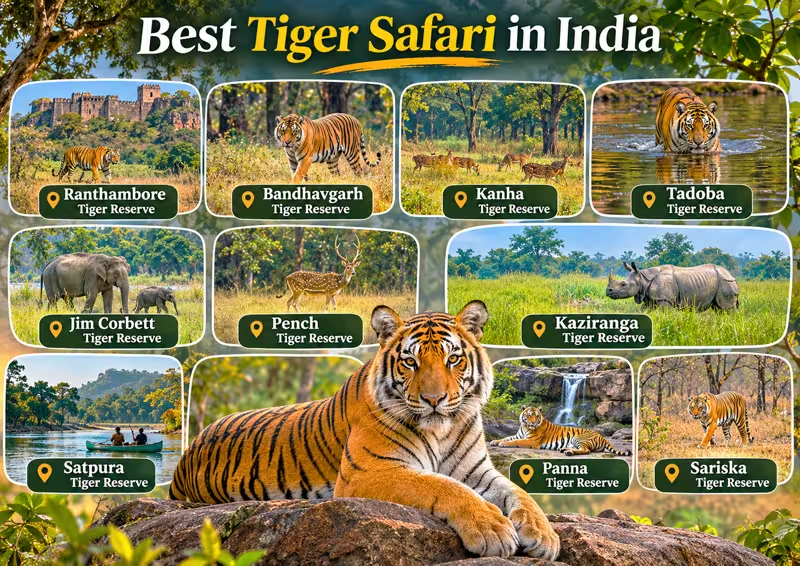
Seeing a wild tiger in its natural habitat is one of the most exciting wildlife experiences you can have in India. Imagine driving through a quiet forest at sunrise, listening to alarm calls from deer and langurs, and suddenly spotting a Bengal tiger walking along a forest track. It is a moment that many wildlife travellers hope to experience at least once.
India offers several excellent places for tiger safaris, but every national park has a different landscape, wildlife population, safari experience and travel setting. Some parks are famous for tiger sightings, while others offer beautiful forests, birdlife, elephants, leopards and opportunities to explore less crowded wilderness areas.
So, which is the best tiger safari in India?
Ranthambore, Bandhavgarh, Kanha, Tadoba and Jim Corbett are among the leading choices for tiger safari holidays. However, the right park depends on your travel dates, budget, preferred landscape and how much time you can spend on safari.
In this guide, we compare 10 of India’s best national parks for tiger safaris, including their locations, highlights, best visiting months and the type of wildlife experience you can expect.
Quick Comparison: 10 Best Tiger Safari National Parks in India
If tiger sightings are your main priority, start by comparing the following parks. Each offers a different combination of forest landscapes, wildlife and safari experiences.
| National Park | State | Best Known For | Best For |
|---|---|---|---|
| Ranthambore | Rajasthan | Tigers around lakes and ancient ruins | First-time visitors |
| Bandhavgarh | Madhya Pradesh | Tiger-focused wildlife safaris | Tiger enthusiasts |
| Kanha | Madhya Pradesh | Sal forests and open meadows | Nature and wildlife lovers |
| Tadoba | Maharashtra | Tiger tracking and dry deciduous forests | Dedicated safari travellers |
| Jim Corbett | Uttarakhand | Forests, rivers, hills and elephants | Wildlife and nature holidays |
| Pench | Madhya Pradesh / Maharashtra | Teak forests and diverse wildlife | Families and photographers |
| Kaziranga | Assam | One-horned rhinoceros and grasslands | Multi-species wildlife safaris |
| Satpura | Madhya Pradesh | Diverse nature-based safari experiences | Slow-paced wildlife holidays |
| Panna | Madhya Pradesh | Ken River, forests and scenic landscapes | Nature and photography |
| Sariska | Rajasthan | Aravalli hills and tiger habitat | Short wildlife trips from Delhi |
This is a practical travel comparison, not an official ranking of tiger populations or sighting success. Tiger sightings depend on animal movement, weather, season, safari routes and luck.
1. Ranthambore National Park, Rajasthan
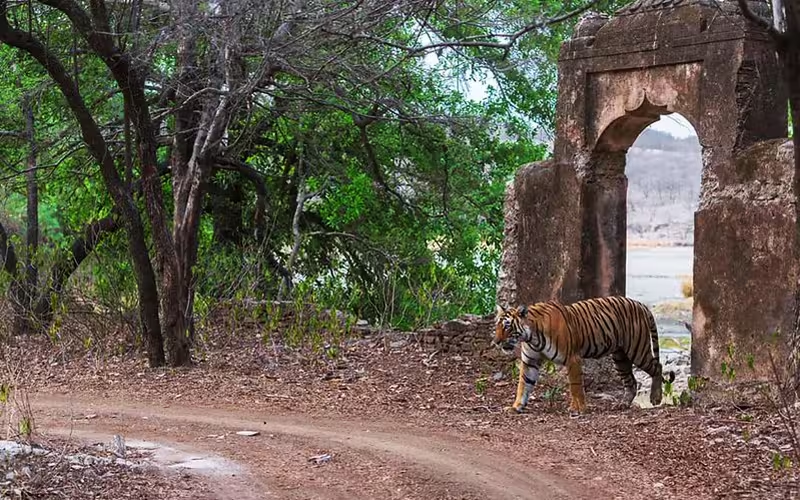
Best for first-time visitors
Ranthambore National Park is one of India’s best-known destinations for tiger safaris. Located near Sawai Madhopur in Rajasthan, the park attracts wildlife photographers, international tourists and nature enthusiasts.
What makes Ranthambore different is its landscape. Dry deciduous forests, rocky hills, open grasslands and lakes create a striking setting for wildlife photography. The historic Ranthambore Fort adds another interesting feature to the forest scenery.
During a safari, you may encounter Bengal tigers, leopards, sloth bears, crocodiles, spotted deer, sambar deer, nilgai and several bird species.
What makes Ranthambore special?
- Opportunities to photograph tigers around lakes and forest tracks.
- Historic ruins and the famous Ranthambore Fort.
- A variety of landscapes within the reserve.
- Good road and rail connections from Jaipur and Delhi.
Best time to visit: October to June. March to May offers warmer weather and thinner vegetation, while October to February provides more comfortable temperatures.
Nearest transport: Sawai Madhopur Railway Station, approximately 14 km from the park.
Recommended stay: 2–3 nights, with at least 3–4 safari drives if your schedule allows.
Our recommendation: Ranthambore is a strong choice for travellers visiting India for the first time, particularly those combining wildlife with Jaipur, Agra and Delhi.
Rajasthan Tourism recommends booking your Ranthambore safari in advance due to the park’s popularity. Visitors can check availability and book their safari through the
official Ranthambore Tiger Reserve booking portal.
2. Bandhavgarh National Park, Madhya Pradesh
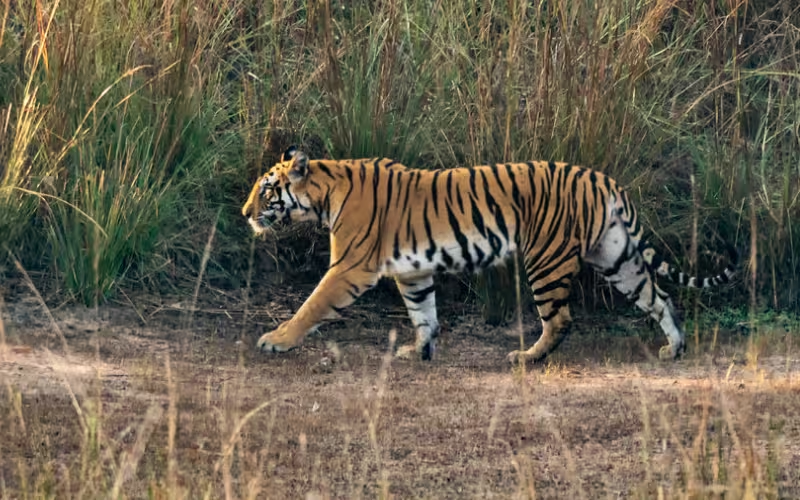 Best for tiger enthusiasts
Bandhavgarh National Park is a popular choice among travellers who want to focus their holiday on tiger safaris. Located in the Umaria district of Madhya Pradesh, it has a landscape of rocky hills, dense forests, grasslands and historic remains.
The park is particularly known for its tiger population and the possibility of seeing tigers during forest drives. However, no safari zone or season can guarantee a sighting.
Bandhavgarh also supports leopards, sloth bears, wild dogs, sambar deer, spotted deer and numerous bird species.
Main safari zones:
- Tala: The best-known tourism zone, with varied forest scenery.
- Magadhi: Offers forest interiors and wildlife viewing opportunities.
- Khitauli: Known for its quieter atmosphere and birdlife.
Best time to visit: October to June. March to May can offer better visibility through thinner vegetation, although summer temperatures can become very high.
Nearest transport: Umaria Railway Station, around 35 km from the reserve.
Recommended stay: 3–4 nights for multiple safari drives.
Our recommendation: Choose Bandhavgarh if tiger photography and repeated safari experiences are your main reasons for visiting India.
Madhya Pradesh Tourism identifies Tala, Magadhi and Khitauli as important safari zones and notes that the core area closes during the monsoon.
3. Kanha National Park, Madhya Pradesh
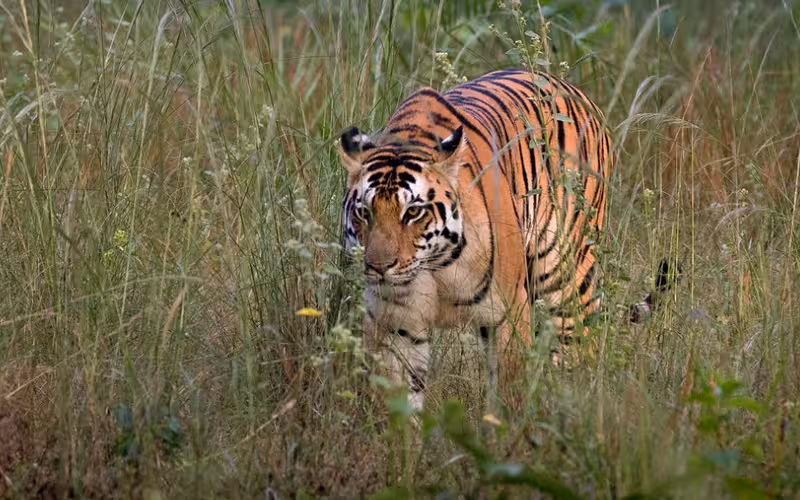
Best for forest landscapes
Kanha National Park is one of India’s most attractive wildlife destinations. Situated in the Maikal Hills of Madhya Pradesh, it features extensive sal forests, bamboo vegetation, open meadows and grassland areas.
Kanha is famous for its conservation work involving the hard-ground barasingha, also known as the swamp deer. It is also home to Bengal tigers, leopards, gaur, sloth bears, wild dogs and many bird species.
Unlike parks dominated by dry forest, Kanha offers a mix of green woodland and open grasslands. This variety makes the safari experience interesting even when you do not encounter a tiger.
Main safari zones:
- Kanha
- Kisli
- Mukki
- Sarhi
Best time to visit: October to June. Winter offers pleasant safari weather, while March to May provides better visibility in many areas.
Nearest transport: Jabalpur Airport and Jabalpur Railway Station are useful access points, although the final road journey takes several hours.
Recommended stay: 3 nights, with 3–4 safari drives.
Our recommendation: Kanha is ideal for travellers who want a balanced wildlife holiday with beautiful forest scenery, birdwatching and opportunities to see several animal species.
For updated safari timings, zone details and permit information, visit the
official Kanha National Park booking portal.
4. Tadoba-Andhari Tiger Reserve, Maharashtra
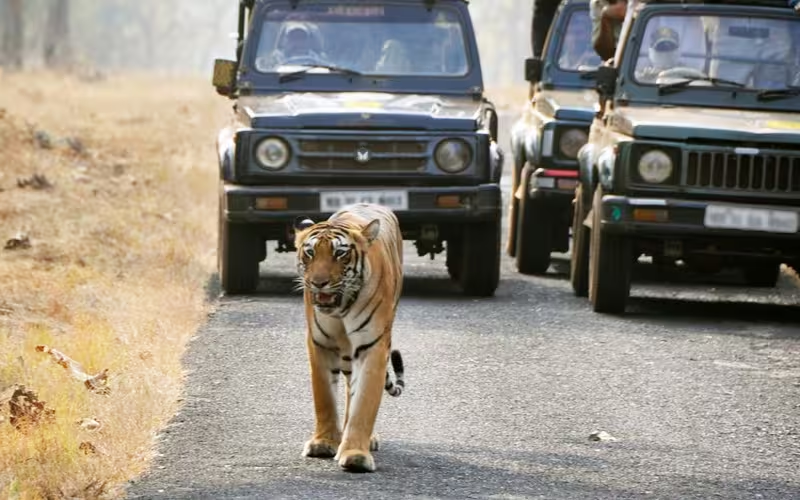 Best for dedicated safari trips
Tadoba-Andhari Tiger Reserve is one of Maharashtra’s most recognised wildlife destinations. Located in Chandrapur district, it features dry deciduous forests, bamboo patches, lakes and seasonal water sources.
Many wildlife photographers visit Tadoba specifically to photograph Bengal tigers. The park also supports leopards, sloth bears, wild dogs, gaur, sambar deer, spotted deer and crocodiles.
Tadoba offers several core and buffer safari gates. Moharli, Kolara, Navegaon and other gates provide access to different forest areas.
What makes Tadoba special?
- Dry forest landscapes and waterholes.
- Multiple core and buffer safari zones.
- Opportunities to photograph tigers and other wildlife.
- Good access from Nagpur and Chandrapur.
Best time to visit: February to May is a popular period for tiger-focused safaris. March to May can bring intense heat, so plan early morning and evening drives.
Nearest transport: Nagpur Airport, approximately 140 km away. Chandrapur Railway Station is closer.
Recommended stay: 3–4 nights, preferably near your chosen safari gate.
Our recommendation: Tadoba is worth considering if you are planning a dedicated wildlife holiday rather than adding just one safari to a larger sightseeing trip.
The official Tadoba website provides gate information, safari timings, advance booking details and travel guidance. Core and buffer gates follow different schedules and weekly closure rules.
5. Jim Corbett National Park, Uttarakhand
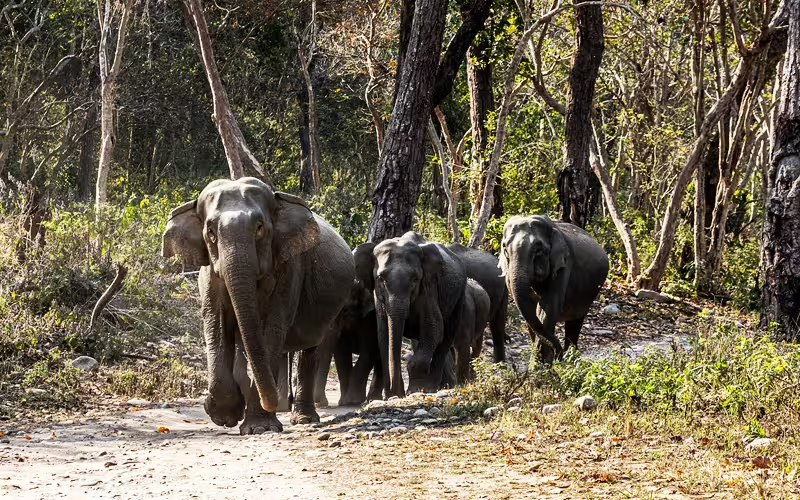 Best for diverse wildlife
Jim Corbett National Park is one of India’s most famous wildlife destinations and part of the larger Corbett Tiger Reserve. Located in Uttarakhand, it offers a very different setting from the dry forests of Rajasthan and central India.
The park features river valleys, grasslands, sal forests, hills and dense woodland. Its wildlife includes Bengal tigers, Asian elephants, leopards, deer, crocodiles and many bird species.
Corbett is especially popular with travellers who want to combine tiger safaris with nature, photography and relaxing stays in forest lodges.
Popular safari zones:
- Dhikala: Famous for grasslands, river scenery and large wildlife.
- Bijrani: Offers forest tracks and grassland areas.
- Jhirna: Known for its varied vegetation and wildlife.
- Dhela: Offers a mix of woodland and open habitat.
- Garjiya: Another option for day safaris.
Best time to visit: November to June for many tourism zones, although opening periods differ by zone. Some areas close during the monsoon.
Nearest transport: Ramnagar Railway Station, which provides access to the main tourism areas.
Recommended stay: 2–3 nights.
Our recommendation: Corbett suits families, birdwatchers and wildlife lovers who want to explore more than just tiger sightings.
Check the official Corbett Tiger Reserve website before planning your visit, as different safari zones have separate booking schedules, operating seasons and weekly closure rules. You can also check zone-wise availability, safari timings and the latest booking notices on the official portal.
6. Pench National Park, Madhya Pradesh and Maharashtra
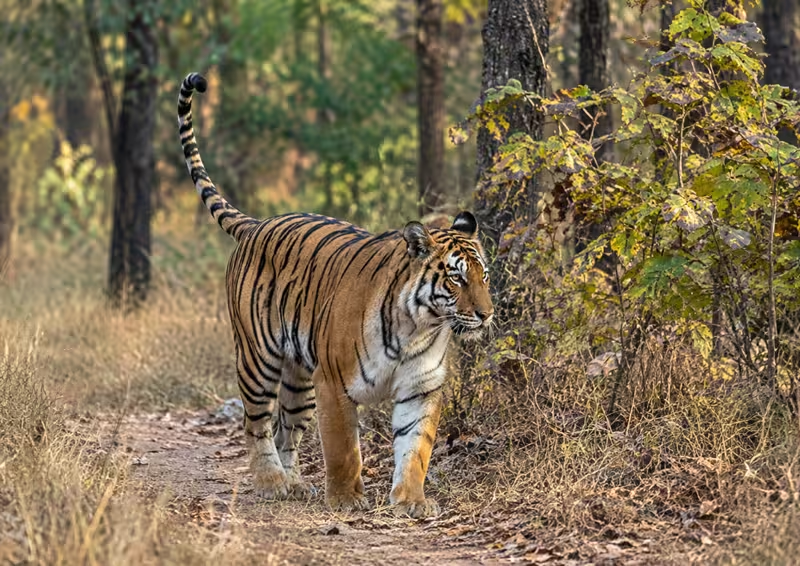 Pench National Park is another excellent choice for a wildlife holiday in central India. The reserve extends across Madhya Pradesh and Maharashtra and features teak forests, open meadows, streams and wooded hills.
The park gained wider recognition because its forest setting is associated with the landscape that inspired Rudyard Kipling’s The Jungle Book.
Pench supports Bengal tigers, leopards, wild dogs, Indian gaur, sambar deer, spotted deer and numerous bird species.
What makes Pench special?
- Attractive teak forest landscapes.
- Good opportunities for wildlife photography.
- A mix of large mammals and birdlife.
- Convenient access from Nagpur.
Best time to visit: October to June, with March to May offering thinner vegetation in many areas.
Nearest transport: Nagpur Airport and Nagpur Railway Station.
Recommended stay: 2–3 nights.
Our recommendation: Pench works well for families, photographers and travellers who want to combine a tiger safari with other wildlife experiences.
The official Madhya Pradesh Forest Department safari booking website provides online safari permits and information about entry timings and booking procedures.
7. Kaziranga National Park, Assam
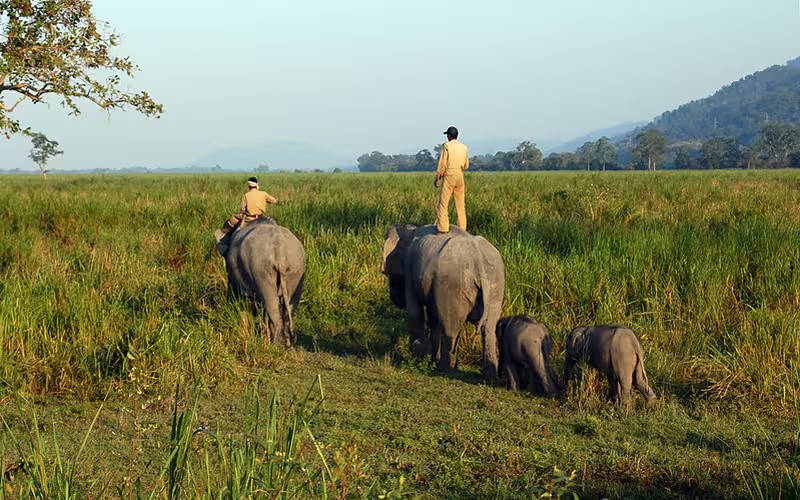
Kaziranga National Park is best known for its one-horned rhinoceros, but it also provides an important habitat for Bengal tigers.
Located in Assam, the park features extensive grasslands, wetlands, floodplains and forest patches. The surrounding landscape and rich biodiversity make it one of India’s most distinctive wildlife destinations.
Along with tigers and rhinoceroses, visitors may encounter wild water buffalo, elephants, swamp deer, hog deer and many migratory and resident birds.
What makes Kaziranga special?
- Famous one-horned rhinoceros population.
- Extensive grasslands and wetlands.
- Excellent birdwatching opportunities.
- A chance to explore Assam’s distinctive wildlife and culture.
Best time to visit: November to early April is generally suitable for visitors, subject to official park opening dates and weather conditions.
Nearest transport: Jorhat Airport and Guwahati Airport are common access points.
Recommended stay: 2–3 nights.
Our recommendation: Choose Kaziranga if you want a multi-species wildlife experience. It is a particularly good choice for travellers who are interested in rhinoceroses, elephants, birds and tigers together.
The official Assam Forest Department website provides online ticket booking information and visitor guidance for Kaziranga National Park. The park is an important habitat for one-horned rhinoceroses, wild buffalo, swamp deer and tigers. Check the latest booking details and safari availability before planning your visit.
8. Satpura National Park, Madhya Pradesh
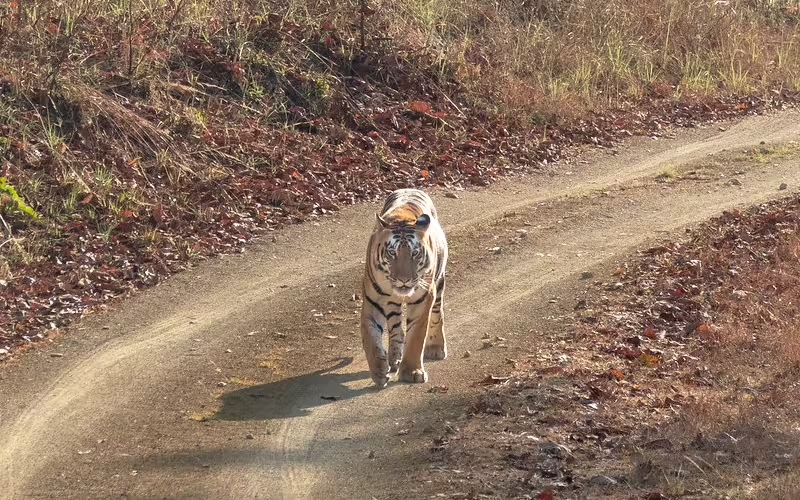
Satpura National Park offers a more varied and slower-paced wildlife experience. Located in the Satpura ranges of Madhya Pradesh, the reserve features rugged hills, deep valleys, sandstone formations, rivers and dense forests.
The area supports tigers, leopards, sloth bears, Indian giant squirrels, gaur, wild dogs and many bird species.
Satpura stands out because visitors can experience the landscape through different permitted nature-based activities, depending on the area and current regulations.
What makes Satpura special?
- Beautiful forest and river scenery.
- Opportunities for birdwatching and wildlife photography.
- Walking and canoe-based experiences in permitted areas.
- A quieter alternative to some of India’s busiest tiger safari destinations.
Best time to visit: October to June, depending on safari operations and seasonal closures.
Nearest transport: Bhopal Airport and Pipariya Railway Station are useful access points.
Recommended stay: 2–3 nights.
Our recommendation: Satpura is a good choice for nature lovers who want to spend time exploring a forest rather than focusing entirely on tiger sightings.
Madhya Pradesh Tourism specifically notes Satpura’s walking and canoe safari experiences as distinctive activities.
9. Panna National Park, Madhya Pradesh
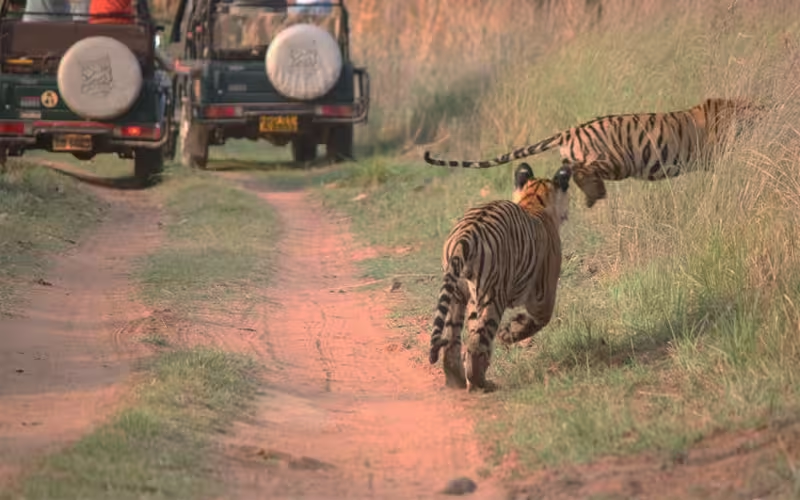
Panna National Park offers a scenic combination of forest, rocky terrain, waterfalls and the Ken River. Located in Madhya Pradesh, it is an interesting destination for travellers who want to combine wildlife viewing with natural landscapes.
The park supports Bengal tigers, leopards, sloth bears, gharials, crocodiles, chital, sambar and several bird species.
The Ken River adds to the park’s appeal, creating beautiful viewpoints and opportunities to explore the surrounding landscape.
What makes Panna special?
- Scenic Ken River landscapes.
- Rocky hills, forest tracks and waterfalls.
- Diverse wildlife and birdlife.
- Opportunities to combine wildlife with nearby Khajuraho sightseeing.
Best time to visit: October to June, subject to seasonal park operations.
Nearest transport: Khajuraho Airport and Satna Railway Station are useful access points.
Recommended stay: 2–3 nights.
Our recommendation: Panna suits travellers who want a wildlife holiday with scenic photography and nearby heritage sightseeing.
10. Sariska Tiger Reserve, Rajasthan
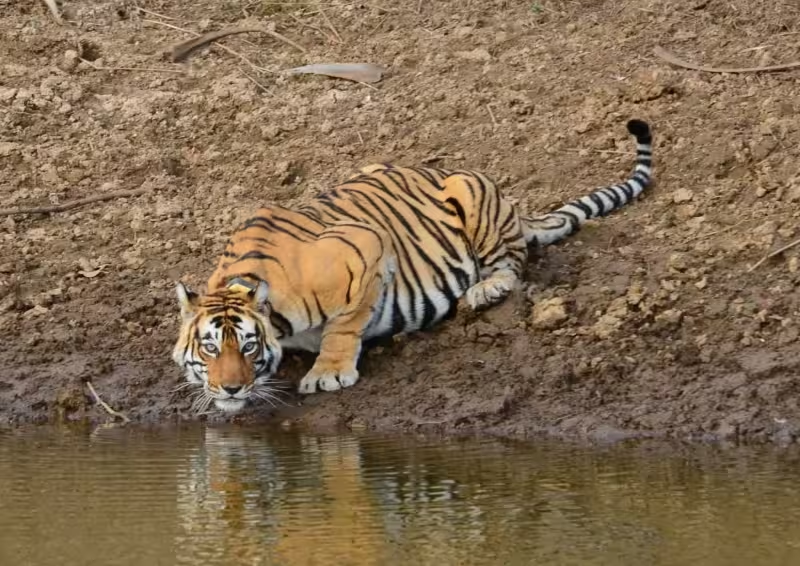
Sariska Tiger Reserve is a convenient wildlife destination for travellers exploring Rajasthan and the Delhi region.
Located in the Aravalli hills of Alwar district, Sariska features dry deciduous forests, rocky hills, grasslands and seasonal water sources.
The reserve supports Bengal tigers, leopards, striped hyenas, jackals, sambar deer, nilgai and several bird species.
Sariska also has historical attractions, including the ancient Kankwari Fort and Neelkanth temples in the surrounding reserve landscape. Access to individual attractions depends on current forest permissions.
What makes Sariska special?
- Convenient access from Delhi, Jaipur and Alwar.
- Aravalli hill scenery.
- Wildlife viewing combined with heritage attractions.
- Suitable for a shorter wildlife break.
Best time to visit: October to June, depending on park operations and weather.
Nearest transport: Alwar Railway Station.
Recommended stay: 1–2 nights.
Our recommendation: Sariska is a practical option for travellers who have limited time and want to include a tiger reserve in a Rajasthan or Delhi itinerary.
The National Tiger Conservation Authority lists Sariska among India’s recognised tiger reserves and provides links to official reserve information. Visitors can check safari availability and make advance reservations through the official Sariska Tiger Reserve booking portal.
Which Is the Best Tiger Safari in India?
The best national park depends on what you want from your wildlife holiday. Some parks suit first-time visitors, while others work better for dedicated wildlife photographers and travellers planning several safari drives.
Here is a quick guide to help you choose.
| Your Travel Preference | Recommended National Park |
|---|---|
| First tiger safari in India | Ranthambore |
| Focus on tiger photography | Bandhavgarh |
| Beautiful forests and meadows | Kanha |
| Dedicated tiger safari holiday | Tadoba |
| Wildlife and family holiday | Jim Corbett |
| Wildlife and forest photography | Pench |
| Tigers, rhinos and elephants | Kaziranga |
| Walking and nature experiences | Satpura |
| Wildlife and heritage sightseeing | Panna |
| Short safari trip from Delhi or Jaipur | Sariska |
My recommendation: If this is your first tiger safari in India, consider Ranthambore or Bandhavgarh. If you have already visited these parks, Tadoba, Kanha and Pench offer excellent alternatives.
Best Time to Visit Tiger National Parks in India
The main tiger safari season in many Indian national parks runs from October to June. However, opening dates and closures vary by reserve and safari zone.
The best time also depends on whether you prefer comfortable weather, green forest scenery or better visibility through thinner vegetation.
October to February: Pleasant Weather and Green Forests
These months offer comfortable conditions for jungle safaris.
- Temperatures are generally pleasant in central and northern India.
- Forests look greener after the monsoon.
- Birdwatching can be rewarding.
- Animals may remain harder to spot in thicker vegetation.
This period suits families, international visitors and travellers who prefer comfortable weather.
March to April: Good Balance for Wildlife Safaris
March and April can offer a good balance between weather and wildlife viewing.
- Vegetation starts thinning.
- Water sources become more important to wildlife.
- Morning safaris offer comfortable temperatures.
- Photographers can get clearer views in suitable habitats.
This is a good period for travellers who want to combine several safari drives.
May to June: Summer Tiger Safaris
Summer is popular with dedicated wildlife photographers because vegetation becomes thinner and animals may visit remaining water sources more frequently.
However, temperatures can become extremely high, especially in central India.
- Morning safaris start early.
- Animals may spend more time around water sources.
- Open forest tracks can improve visibility.
- Heat can make afternoon drives uncomfortable.
Do not assume that summer guarantees better tiger sightings. Animal movement and weather conditions still influence every safari.
July to September: Monsoon Season
Many popular core safari zones close during the monsoon to protect wildlife habitats and allow forests to recover.
Some reserves or buffer areas may offer limited activities, but you should check the relevant forest department’s current rules before booking.
For example, Ranthambore’s regular tourism season runs from October to June, while Tadoba publishes separate schedules for core and buffer gates.
How Many Safaris Should You Book to See a Tiger?
One safari is rarely enough if seeing a tiger is your main objective.
Every safari takes you through a different forest route, and tiger movements change throughout the day. You might see a tiger during your first drive, or you might complete several drives without spotting one.
For a better chance to experience wildlife, consider the following:
| Safari Drives | Recommended For |
|---|---|
| 1–2 safaris | Travellers with limited time |
| 3–4 safaris | First-time wildlife visitors |
| 5–6 safaris | Dedicated wildlife enthusiasts |
| 7 or more safaris | Wildlife photographers and serious tiger enthusiasts |
These are suggested trip lengths, not guaranteed sighting thresholds.
A useful tip: Try booking safaris across different permitted zones rather than repeating the same route every time. Ask your naturalist about recent animal movement, habitat conditions and the best available routes.
How to Book a Tiger Safari in India
Most popular tiger reserves operate regulated jeep or canter safaris. You need an entry permit for a specific date, time and zone.
Follow these steps:
- Choose your national park: Select a reserve based on your travel dates, interests and accessibility.
- Check safari zones: Research the available tourism zones and their entry gates.
- Check permit availability: Use the relevant official forest department booking portal.
- Select your safari: Choose a morning or afternoon drive.
- Enter visitor details: Provide the required identification details for every traveller.
- Confirm your booking: Save your permit and check the reporting time and entry gate.
- Arrange accommodation: Choose a hotel or wildlife lodge near your selected safari gate.
Official Tiger Safari Booking Websites
Use government and forest department websites whenever possible. Popular reserves attract unauthorised booking agents and fraudulent websites.
| National Park | Official Booking Website |
|---|---|
| Ranthambore | Rajasthan Forest Department |
| Bandhavgarh | MP Forest Booking |
| Kanha | Kanha Safari Booking |
| Tadoba | Official Tadoba Website |
| Jim Corbett | Official Corbett Website |
| Pench | MP Forest Booking |
| Kaziranga | Assam Tourism |
| Satpura | MP Forest Booking |
| Panna | MP Forest Booking |
| Sariska | Rajasthan Forest Department |
You can also find the official reserve websites through the National Tiger Conservation Authority’s Tiger Reserve Directory.
What Should You Pack for an Indian Tiger Safari?
A little preparation can make early-morning and afternoon safaris more comfortable.
Here are some useful items:
- Neutral-coloured clothing: Wear earthy shades such as beige, brown, olive or grey.
- Binoculars: Useful for spotting birds and distant wildlife.
- Camera: Carry a camera with a suitable telephoto lens if you enjoy wildlife photography.
- Sun protection: Pack sunglasses, sunscreen and a hat.
- Warm clothing: Winter mornings can feel cold, particularly in Rajasthan, Uttarakhand and Madhya Pradesh.
- Water bottle: Carry water according to park regulations.
- Identification documents: Keep the original ID that matches your safari permit.
Avoid bright clothing, loud conversations and unnecessary movement inside the safari vehicle.
Responsible Tiger Safari: Important Rules to Follow
Tiger reserves protect wild animals and their natural habitats. Visitors should follow forest department regulations throughout the safari.
Keep these rules in mind:
- Never ask your driver or guide to approach a tiger too closely.
- Do not shout, whistle or make noises to attract animals.
- Never feed wild animals.
- Do not throw plastic or other waste inside the forest.
- Follow the guide’s instructions and remain inside the authorised vehicle.
- Never use flash photography when photographing wildlife.
- Respect other safari vehicles and avoid blocking animal movement.
A responsible safari gives wildlife space and allows animals to behave naturally. The National Tiger Conservation Authority also publishes guidelines for tourism activities in tiger reserves.
Frequently Asked Questions About Tiger Safaris in India
1. Which is the best national park for tiger safari in India?
Ranthambore, Bandhavgarh, Kanha, Tadoba and Jim Corbett are among the most popular choices. Ranthambore suits first-time visitors, Bandhavgarh attracts tiger enthusiasts, and Tadoba is popular with wildlife photographers.
2. Which national park has the highest chance of tiger sightings in India?
Bandhavgarh, Ranthambore and Tadoba are well-known for tiger sightings. However, no national park can guarantee a sighting. Your experience depends on tiger movements, safari routes, weather and the number of drives you take.
3. What is the best month for tiger safari in India?
March and April offer a good balance of weather and wildlife viewing in many reserves. May and June can provide better visibility in some dry forests, but temperatures can become very high.
4. Is Ranthambore better than Bandhavgarh for tiger safari?
Both parks offer excellent wildlife experiences. Ranthambore is particularly convenient for travellers combining wildlife with Rajasthan and the Golden Triangle. Bandhavgarh is a strong choice for travellers who want to focus on tiger safaris in central India.
5. How many days are enough for a tiger safari in India?
Two to three nights are suitable for a short wildlife trip. If tiger sightings are your main priority, consider staying three to four nights and booking multiple safari drives.
6. Can foreign tourists book tiger safaris in India?
Yes. International visitors can book safaris through authorised forest department portals or approved booking channels. They must provide valid passport details and follow the applicable foreign visitor booking and fee rules.
7. Are tiger safaris safe for families with children?
Yes, regulated jeep and canter safaris can be suitable for families. However, children should follow the guide’s instructions, remain seated and avoid making loud noises. Check the park’s age and vehicle rules before booking.
8. Which tiger reserve is closest to Delhi?
Sariska and Ranthambore are convenient options for travellers starting in Delhi. Sariska is particularly suitable for a shorter wildlife break, while Ranthambore offers a longer safari holiday experience.
9. Can I see other animals during a tiger safari?
Yes. Depending on the national park, you may see leopards, elephants, sloth bears, deer, wild dogs, gaur, crocodiles and many bird species. Kaziranga is particularly famous for its one-horned rhinoceros.
10. Should I book a morning or evening tiger safari?
Both sessions offer wildlife-viewing opportunities. Morning drives provide cooler temperatures and good photography light, while afternoon drives offer another opportunity to explore animal movement and forest activity.
Plan Your Tiger Safari Holiday in India
India offers many ways to experience its forests and wildlife. You can explore the dry forests of Ranthambore, watch the grasslands of Kanha, photograph tigers in Tadoba or enjoy the river landscapes of Jim Corbett.
If you are planning your first wildlife holiday, avoid trying to cover too many national parks in one trip. Choose one or two reserves, spend enough time in each and book several safari drives.
For international visitors, a private wildlife tour with comfortable accommodation, reliable transfers and pre-arranged safari permits can make travel between remote national parks much easier.
The best tiger safari is one that gives you time to enjoy the forest, understand its wildlife and respect the animals that live there. A tiger sighting is a wonderful bonus, but the entire forest experience makes the journey worthwhile.
By Harshit
Harshit writes about India travel, destination guides, customised itineraries, Rajasthan holidays, wildlife safaris and cultural experiences. His content helps travellers discover destinations, plan practical routes and make informed decisions when exploring India.